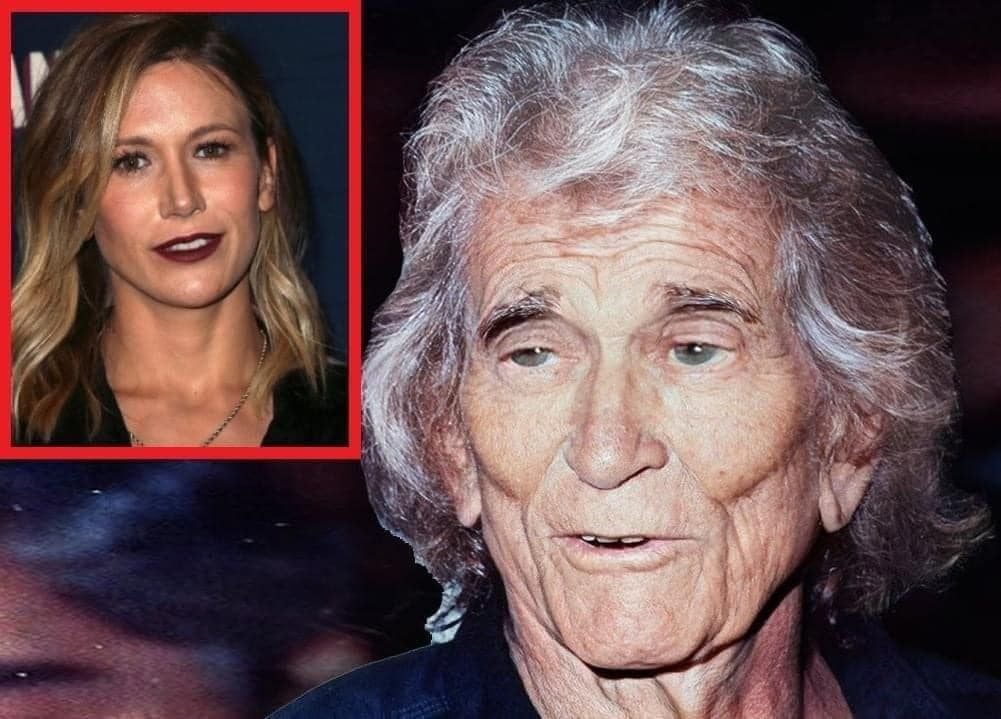
Few internet personalities have sparked as much intrigue as Sahar Tabar, known worldwide for her eerie “Zombie Angelina Jolie” persona. With haunting selfies and a surreal aesthetic, she fascinated millions online. Yet behind the viral sensation was Fatemeh Khishvand, a young Iranian woman whose creative expression would ultimately transform—and complicate—her life. What began as digital art and self-expression evolved into a global phenomenon that blurred the line between creativity, controversy, and consequence.
In 2019, Sahar’s online fame drew the attention of Iranian authorities, leading to her arrest over her social media posts. Reports that she faced a lengthy prison sentence sparked international outrage and debate over artistic freedom and digital censorship. Though she spent about 14 months in detention before her release, her case became a symbol of the tension between personal expression and societal limits in a rapidly changing digital world.
After her release, Sahar clarified the truth behind her viral image. Despite rumors of dozens of cosmetic surgeries, she explained that her dramatic appearance was mostly the result of makeup, photo editing, and minor procedures, not extreme alteration. Her work, she said, was intended as satire and performance—an artistic exploration of beauty, identity, and how online culture distorts both.
Sahar Tabar’s story remains a striking commentary on the price of internet fame. Her experience illustrates how easily a digital persona can grow beyond control, shaping public perception and personal destiny alike. Whether viewed as a creative visionary, a misunderstood artist, or a cautionary tale about the power of virality, her journey continues to challenge the world’s understanding of art, identity, and freedom in the age of social media.