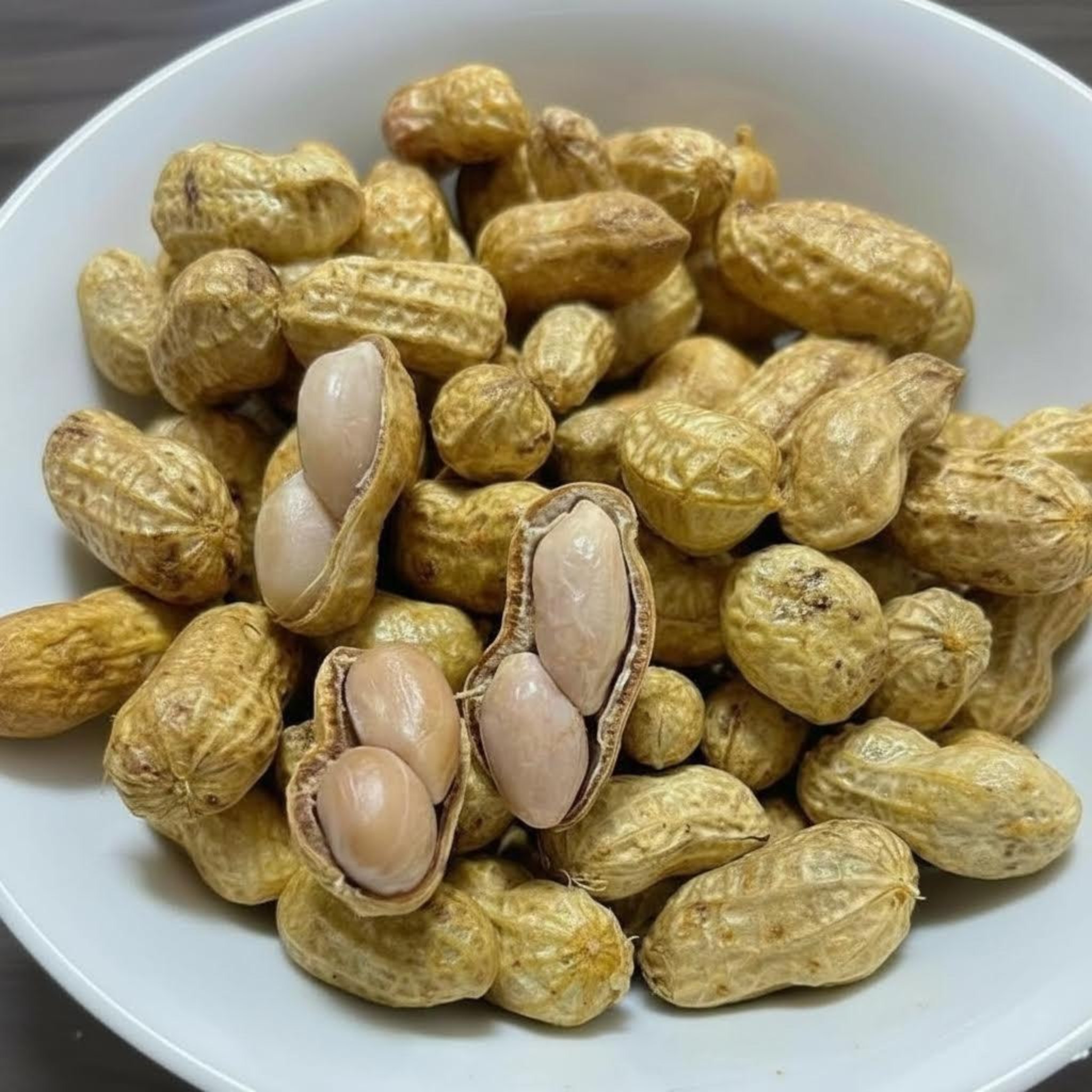
For many people, peanuts are more than a simple snack—they’re part of family traditions, cultural dishes, and memorable flavors enjoyed across generations. In countries like Brazil, peanuts appear in festival treats and homemade recipes, highlighting how food can bring people together. Beyond their familiar taste, peanuts are also known for their nutritional value. They offer qualities that can support general wellness when eaten in reasonable amounts, making them both enjoyable and practical for everyday eating.
Although peanuts belong to the legume family, their nutrient profile is similar to that of tree nuts. They provide plant-based protein, healthy fats, and a range of vitamins and minerals, including vitamin E, B vitamins, and minerals such as phosphorus and iron. Peanuts also contain natural antioxidants and other compounds that have been studied for their possible role in supporting heart and overall wellness. Even so, many people choose peanuts simply because they add flavor, texture, and richness to meals and snacks.
Thanks to their mix of protein, fat, and fiber, peanuts can help support a feeling of fullness, which may contribute to balanced eating habits. Some studies suggest that pairing peanuts with other foods might help promote steadier energy levels for certain individuals. Research has also explored how peanut consumption relates to general digestive comfort, though findings vary and are not definitive. Because each person responds differently, peanuts are best enjoyed as one part of a varied, balanced diet.
Peanuts are naturally calorie-dense, so moderate portions are often recommended for everyday eating. People with allergies need to avoid them, and those with specific dietary concerns may benefit from checking with a healthcare professional before eating them regularly. Choosing fresh, well-stored peanuts helps ensure good taste and quality. When enjoyed mindfully, peanuts can be a versatile and satisfying addition to both traditional recipes and modern meals.