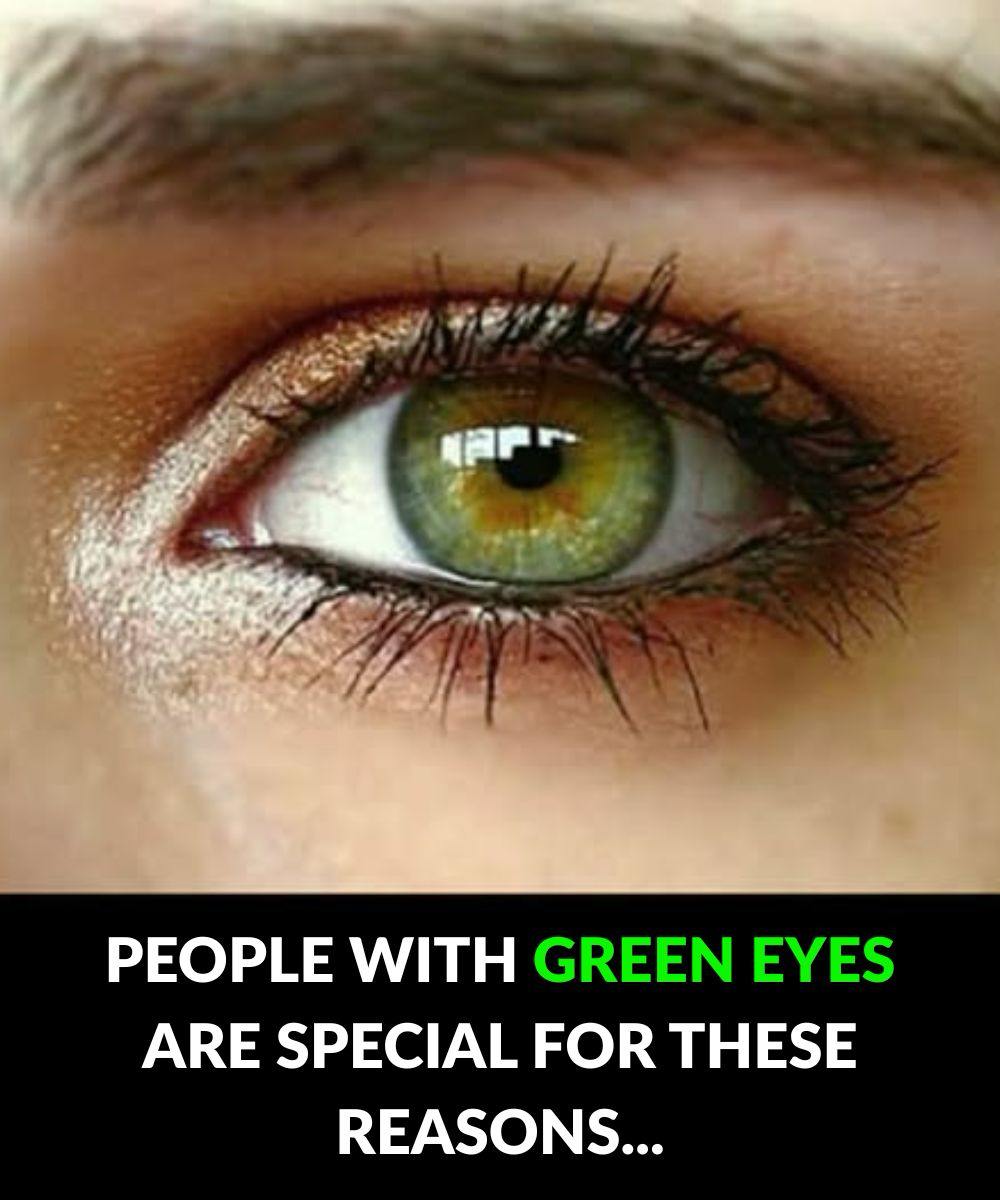
Green eyes have drawn interest across many cultures for generations, partly because they are uncommon. With only a small percentage of the global population having naturally green eyes, the color often stands out and leaves a memorable impression. This rarity contributes to the perception of green eyes as unique or distinctive.
Scientifically, green eyes do not contain green pigment. Instead, their appearance comes from a combination of low melanin levels in the iris and a pigment called lipochrome. When light interacts with these elements through a scattering process known as the Tyndall effect, the eye can appear green. Because this effect depends on lighting, green eyes may look slightly different in various environments, creating a subtle, shifting quality.
People with lighter eye colors—including green—may be more sensitive to bright sunlight due to having less melanin, which offers natural protection. Some studies note that lighter eyes can be more prone to certain sensitivities, though many factors influence overall eye health. Wearing sunglasses outdoors and attending routine eye checkups are simple ways to support long-term comfort and protection.
Throughout history, green eyes have appeared in stories, art, and cultural traditions, often associated with individuality or creativity. In modern media, characters with green eyes are sometimes portrayed as distinctive or memorable, reflecting long-standing cultural impressions. Today, interest in green eyes continues because of their rarity, their scientific background, and the way they appear to change subtly with different lighting conditions.