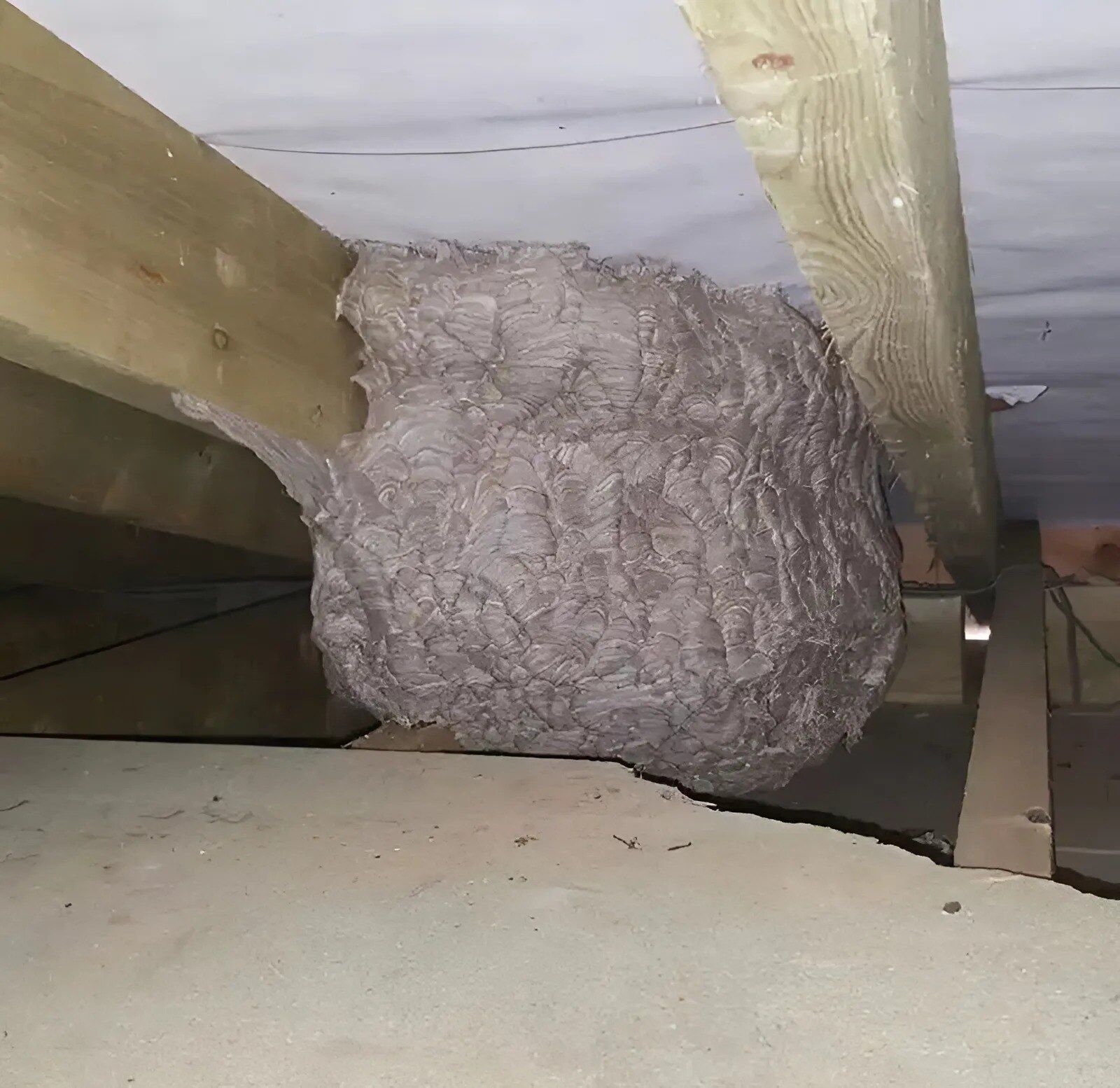
In the hills of Finistère in Brittany, Denis Jaffré had created a calm and purposeful life after leaving a long career at sea. As a former sailor turned beekeeper, he found fulfillment in caring for his hives and working in harmony with nature. That balance was disrupted in 2017 when Asian hornets began attacking his bees, leading to the loss of nearly half of his colonies within months. The damage affected both his livelihood and his sense of purpose, as each hive represented years of care and dedication.
Instead of abandoning beekeeping, Denis focused on finding a practical solution. He began experimenting at home, using basic materials to design traps that could protect his hives without harming the surrounding environment. Many early attempts were unsuccessful, either capturing the wrong insects or failing to work effectively. Over time, he refined his approach and developed a trap that used natural bait and a fabric-covered structure with narrow entry points, allowing hornets to enter while keeping bees and other pollinators safe.
The effectiveness of the design quickly became clear. Denis’s remaining hives began to recover, and interest in his solution grew among other beekeepers. In 2019, his invention received recognition at the Lépine Competition, bringing wider attention to his work. Building on this momentum, Denis founded Jabeprode in 2021, a small company focused on environmentally responsible production. What started as a personal project expanded into a workshop in Bodilis, where the traps are now assembled by hand and used by beekeepers across many European countries.
Today, Denis continues to promote sustainable and non-toxic methods for managing invasive species while protecting biodiversity. His work has contributed to the preservation of numerous bee colonies and encouraged greater awareness of ecological balance. Despite growing recognition, he remains focused on practical outcomes rather than accolades, finding satisfaction in healthy hives and stable ecosystems. His journey reflects how careful observation, patience, and respect for nature can lead to solutions that benefit both people and the environment.