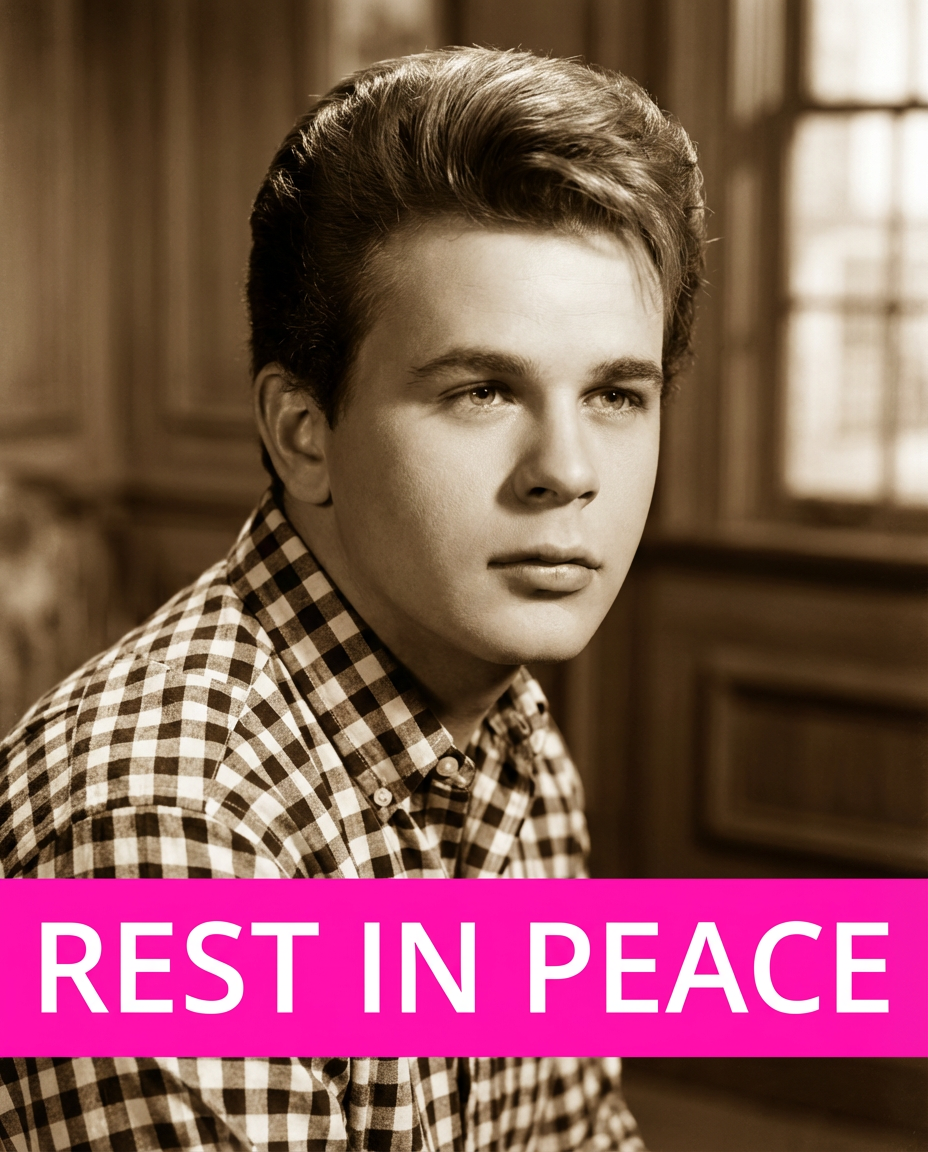
The music world paused this year to honor the legacy of Lou Christie, whose distinctive voice helped define an era of pop music. Best known for his 1966 hit Lightnin’ Strikes, Christie passed away on June 17 at the age of 82. For many listeners, his songs were closely tied to memories of youth and emotion, representing a time when pop music embraced drama, romance, and expressive storytelling. News of his passing prompted many fans to share personal reflections on how his music shaped meaningful moments in their lives.
Born Lugee Alfredo Giovanni Sacco in Pennsylvania, Christie showed an interest in singing from a young age. He often spoke about realizing the impact of his voice during a childhood holiday performance, an experience that encouraged him to pursue music more seriously. As a teenager, he balanced school and work while singing in choirs and local venues, gradually developing a style influenced by church music and early pop harmonies. Adopting the stage name Lou Christie marked the beginning of his professional identity and helped him transition into the broader music scene.
His early success came in the 1960s with songs such as “The Gypsy Cried” and “Two Faces Have I,” which introduced audiences to his unique vocal range. That momentum continued with “Lightnin’ Strikes,” which reached the top of the Billboard Hot 100 in 1966. The song’s dramatic structure and powerful falsetto distinguished Christie during a period of rapid change in popular music. Even as musical trends evolved, he continued recording and performing, choosing to remain true to his creative instincts.
In later years, Christie remained active as a performer, appearing frequently at events celebrating classic pop music. He was known not only for his talent but also for his approachable nature and encouragement of younger artists, often emphasizing emotional connection alongside technical skill. Following his passing, many artists and fans reflected on his influence and lasting appeal. Lou Christie’s career stands as a reminder of the enduring impact of authenticity and passion, showing how a singular voice can continue to resonate across generations.