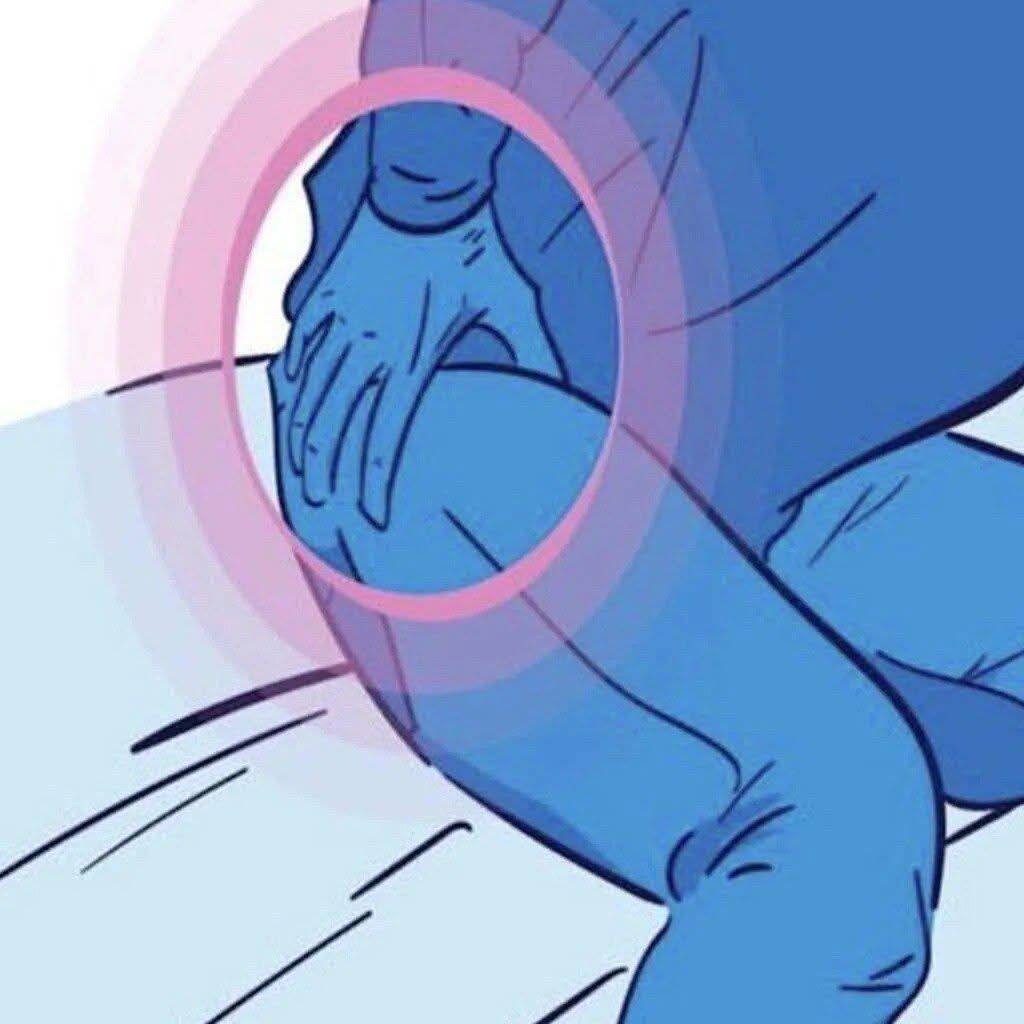
When a hip joint begins to produce noticeable sounds such as clicking, popping, or grinding, it is easy to assume the issue is minor or temporary. In many situations, these sensations may be harmless, especially if they occur infrequently and without pain. However, the hip is a major weight-bearing joint that supports movement, balance, and posture throughout daily life. When these sensations happen regularly, they can suggest that the joint is not moving smoothly. Over time, uneven motion or increased friction may place extra strain on surrounding tissues, which can affect overall comfort and mobility.
Persistent changes in hip movement are worth paying attention to, particularly when combined with stiffness, limited range of motion, or ongoing discomfort. Hip concerns can affect people of all ages and may develop for various reasons, including past injuries, repetitive movements, extended periods of sitting, or activities that place repeated stress on the joint. Muscle imbalances and reduced joint stability can also influence how the hip moves. A healthcare professional can evaluate these factors through physical assessments and, when appropriate, further testing to better understand joint function.
Addressing possible concerns early often helps support long-term comfort and mobility. Daily habits play an important role in hip health over time. Body weight affects how much pressure the joint absorbs, while posture and movement patterns can either ease or increase strain. Wearing supportive footwear, adjusting sitting positions, and avoiding long stretches of inactivity may help promote healthier joint movement. Simple actions, such as standing up regularly during sedentary periods or being mindful of movement during routine tasks, can have a positive impact.
Maintaining regular activity is also important for supporting hip health, even when mild discomfort is present. Low-impact activities such as walking, swimming, or cycling can help preserve movement without placing excessive stress on the joint. Strengthening the muscles that support the hips, including the core and upper legs, can improve stability and balance. Gentle stretching may help maintain flexibility and reduce tension. By noticing early signs and making informed lifestyle adjustments, individuals can support ongoing hip comfort and remain confident in everyday movement.