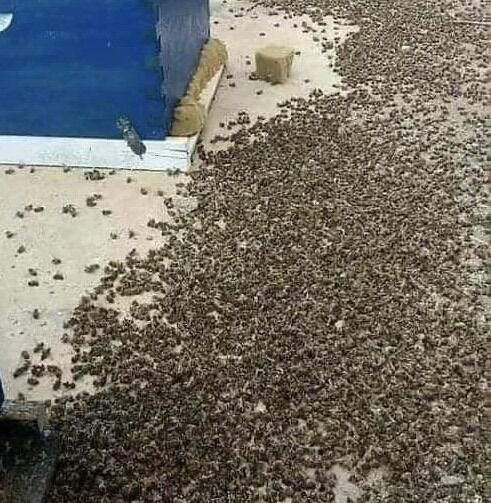
Even when information reaches a limited audience, certain topics are worth sharing because of their lasting influence on the world around us. In digital spaces often focused on entertainment, informative subjects can be overlooked. However, the role of bees in supporting the environment deserves careful attention. These pollinators contribute quietly but significantly to natural systems that shape everyday life in ways many people may not immediately notice.
Research conducted in various regions has brought increased attention to changes affecting bee populations. Scientists and environmental groups observe trends over time and report that some species are facing challenges linked to environmental changes and land use patterns. Bees play a key role in pollination, allowing flowering plants to reproduce and supporting the production of fruits, vegetables, and seeds. Their regular activity helps maintain stable ecosystems that depend on plant diversity and growth.
Multiple factors work together to influence the conditions bees experience today. Reduced natural habitats, limited plant variety, and expanding development can affect access to food and shelter. In many places, landscapes that once supported a wide range of pollinators have become less diverse. Environmental organizations often highlight the value of protecting green areas, planting native vegetation, and maintaining natural spaces, which can improve conditions not only for bees but for many forms of wildlife.
Communities and individuals can contribute positively through practical and accessible actions. Planting flowers that support pollinators, encouraging local environmental efforts, and learning about sustainable practices can all help create supportive environments. Schools, neighborhoods, and organizations are increasingly involved in projects that promote ecological balance. While individual efforts may seem modest, combined actions can help sustain healthy ecosystems and support bees as an essential part of the natural world.