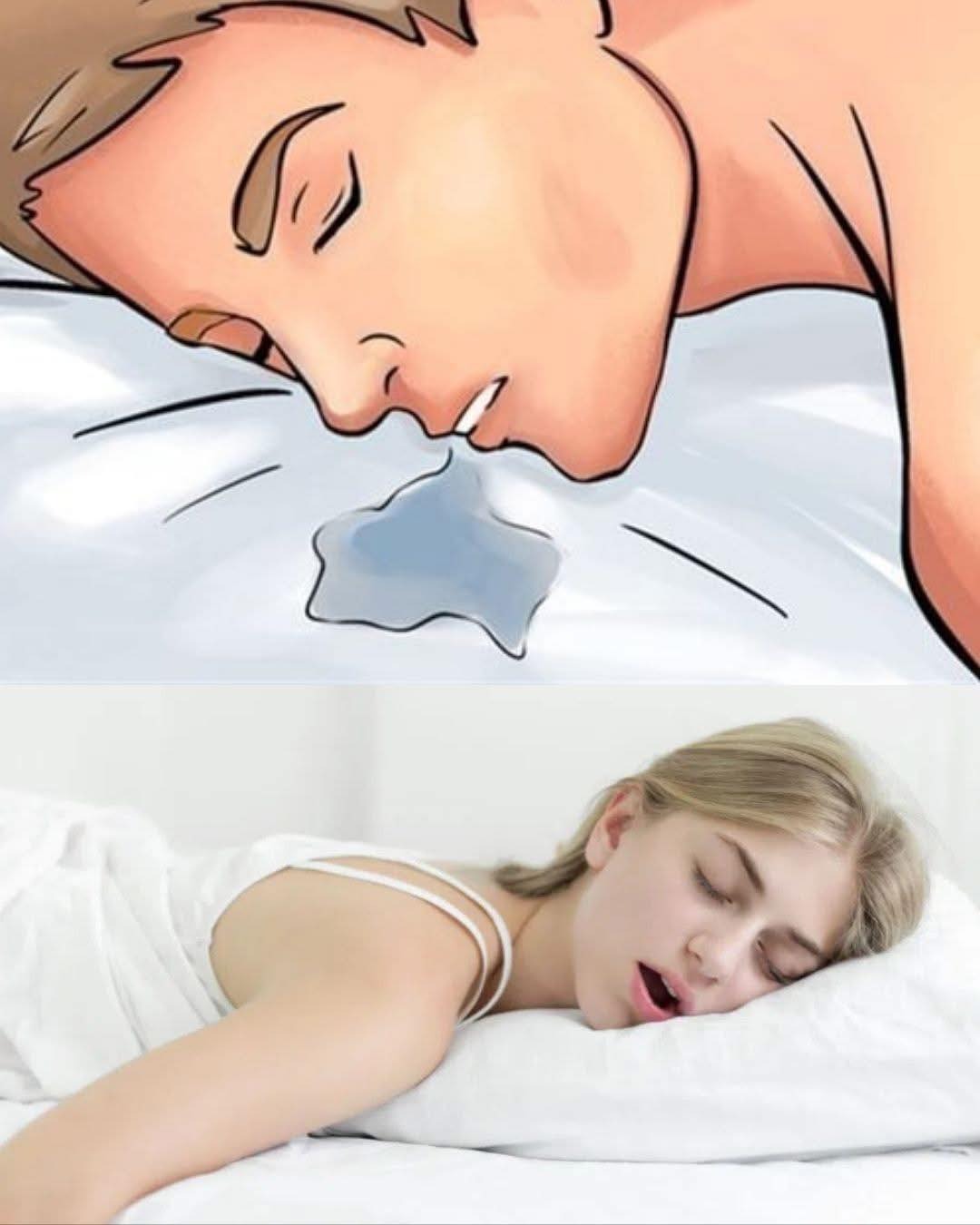
Occasional drooling during sleep is very common and, in most situations, harmless. It often occurs during deep sleep when facial muscles relax fully or when a person sleeps on their side or stomach. These natural changes can allow saliva to escape more easily. While this is usually nothing to worry about, drooling that is new, frequent, or noticeably increased may be worth observing, as it can sometimes be influenced by everyday health or lifestyle factors.
One frequent contributor is nasal congestion or difficulty breathing through the nose. Allergies, colds, sinus irritation, or structural differences in the nasal passages can encourage breathing through the mouth during sleep. When this happens, saliva may build up and escape once the jaw relaxes. People experiencing this type of drooling may also notice snoring, waking with a dry mouth, or disrupted sleep patterns.
Digestive factors can also influence saliva production at night. Acid reflux, particularly when lying flat, may prompt the body to produce more saliva as a protective response. This can be accompanied by symptoms such as throat irritation, a sour taste, or mild coughing during sleep. Oral health issues, including gum sensitivity, dental irritation, or minor throat infections, may temporarily increase saliva as part of the body’s natural response to discomfort.
In most cases, nighttime drooling improves once contributing factors are addressed. It is generally not a concern if it happens occasionally, appears during illness, or varies with sleep position. However, noticeable changes such as persistent drooling, drooling on only one side, or trouble swallowing may warrant a conversation with a healthcare professional. For the majority of people, drooling during sleep is simply a normal variation of the body at rest, and understanding patterns can help provide reassurance and support overall well-being.