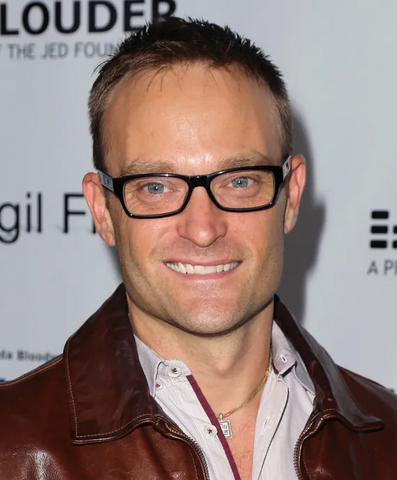
Long before choosing a quieter life away from public attention, Chad Allen was a familiar face on television. As a child actor, he spent much of his early life working on sets while balancing education and professional responsibilities. Acting felt natural to him and provided structure and motivation during those years. However, the constant attention that followed gradually replaced the sense of freedom most children experience. While audiences saw confidence and success, he privately began questioning who he was beyond the roles he played and the expectations surrounding him.
As he moved into his teenage years, the pressures of early fame became more difficult to manage. Allen desired ordinary experiences, such as forming friendships and participating in everyday activities without scrutiny. Taking a step back from full-time screen work allowed him to reconnect with acting through theater, where creativity felt more grounded and personal. During this period, he also faced personal challenges and began focusing on recovery, learning that stability and purpose were essential to long-term well-being.
His path toward self-understanding developed over time. Public attention to his personal life led to meaningful conversations with family and required him to define his values independently. Unexpectedly, he also received messages from individuals who felt encouraged by his openness and honesty. These interactions helped him realize that sharing experiences thoughtfully can create understanding and support rather than fear. Gradually, his sense of identity shifted from one shaped by fame to one rooted in empathy and resilience.
Eventually, Allen chose a new professional direction far removed from the entertainment industry. After years of education and training, he became a clinical psychologist, focusing on helping others work through challenges and find clarity. Today, his life is intentionally simple, centered on meaningful work, teaching, and personal reflection. Rather than rejecting his past, he views it as one part of a broader journey. His story illustrates that fulfillment often comes from living in alignment with personal values, purpose, and balance rather than public recognition.