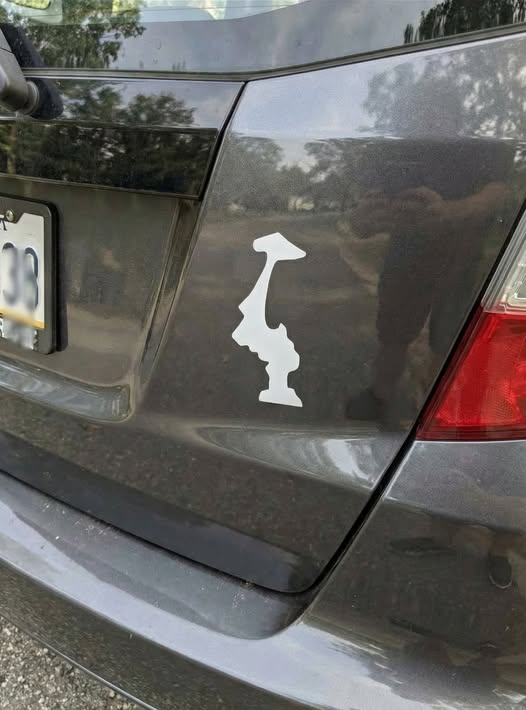
If you have spent time in the Pacific Northwest, you may have noticed vehicles and personal items featuring an outline of Washington state displayed upside down. While it may appear accidental at first glance, the placement is intentional. Over time, this reversed design has become a subtle regional marker, often recognized by locals as a quiet expression of connection and shared identity rather than a bold statement.
The trend began to gain attention in the early 2010s as state-outline decals became more common on cars and outdoor gear. Washington’s recognizable shape made it easy to identify even when inverted, and flipping it offered a simple way to stand out. Many residents embraced the design as an alternative to traditional souvenirs, especially those who preferred understated symbols tied to local culture and daily life.
There are several interpretations behind the upside-down display. Some view it as a lighthearted nod to the region’s rainy climate, while others see it as a way to express local pride without appearing commercial or overstated. Another perspective suggests the inverted shape resembles a mountain form, which aligns naturally with the area’s landscapes and outdoor-focused lifestyle. The lack of a single official meaning has helped the symbol remain flexible and widely appealing.
Today, the upside-down Washington sticker represents more than a visual detail. It reflects a regional mindset that values individuality, nature, and subtle expression. Many people continue to display it long after moving away, using it as a reminder of familiar places and experiences. Simple in design, the flipped outline has become a lasting symbol of belonging for those who recognize its meaning.