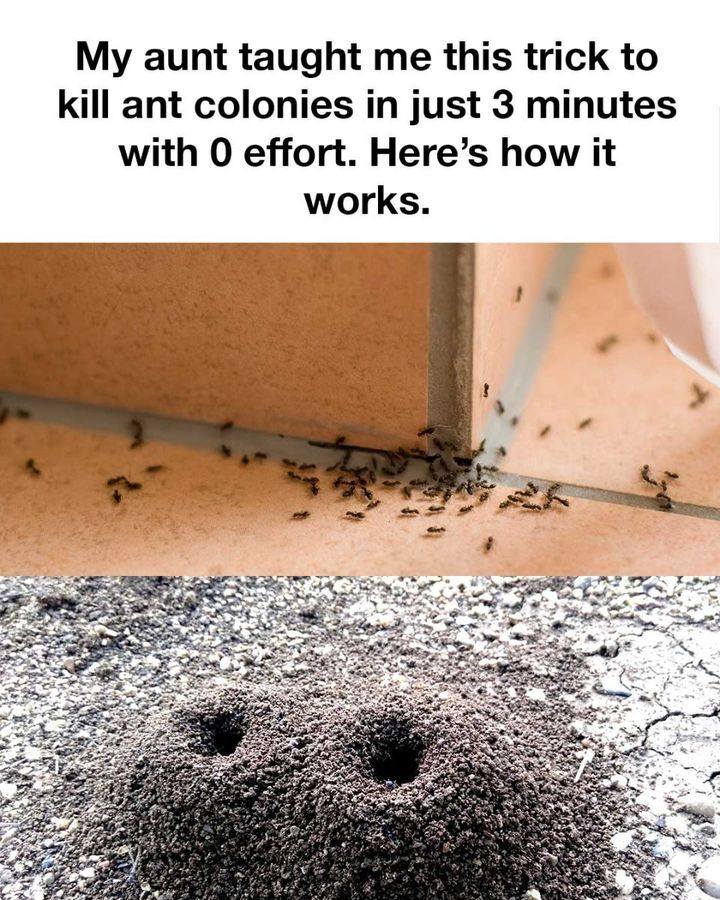
Ants inside the home can be frustrating, especially when sprays or traps seem to offer only temporary relief. Removing the ants you can see often does not resolve the larger issue, because those visible ants are usually part of a much bigger group. As long as the colony remains active, new ants will continue to appear. Recognizing that surface activity is only a symptom helps explain why the problem can feel never-ending.
A more effective approach focuses on how ants naturally behave. Ants are organized foragers that follow scent trails between food sources and their nest. When they find something appealing, they share it with the rest of the colony. By working with this behavior instead of against it, it becomes possible to reduce the source of the activity rather than just reacting to what shows up on floors and counters.
Some people choose to use simple baiting methods made from common household items to take advantage of this routine. A food-based attractant encourages ants to carry small amounts back to the nest, where it can gradually affect the larger group over time. Placement matters, and these baits are usually set along trails or near entry points. This process is not immediate and requires patience, as results appear gradually rather than overnight.
Over time, indoor ant activity often decreases as the source is addressed. To help maintain results, prevention plays an important role. Keeping food sealed, cleaning surfaces regularly, and closing off small gaps can reduce future interest from ants. While no single step guarantees permanent results, combining targeted strategies with consistent household habits can make a noticeable difference and help keep living spaces more comfortable.