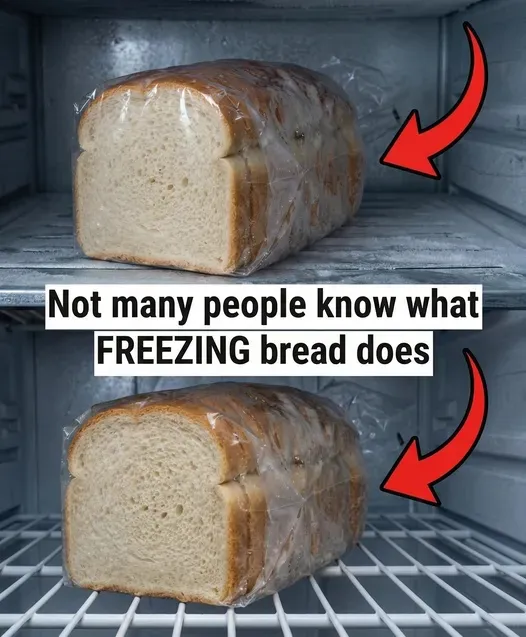
With a busy household and growing kids, keeping enough bread on hand can be a challenge. Buying extra during sales and freezing it has become a practical way to save money and reduce food waste. However, freezing bread the wrong way often leads to dry texture, stiffness, or freezer burn. Learning how to preserve bread properly makes a noticeable difference in both taste and quality when it’s time to use it.
Many common problems come from air exposure or uneven freezing. Loaves can freeze into hard blocks, slices can stick together, and thawed bread may taste stale. These issues make it difficult to take out only what is needed and often result in wasted food. Preventing these problems requires a method that protects the bread while keeping individual slices easy to separate.
The process works best when started as soon as the bread comes home from the store, while it is still fresh. If the loaf is not already sliced, cutting it evenly is the first step. The slices are then placed in a single layer on a parchment-lined baking sheet and put into the freezer briefly. This initial freezing step allows each slice to firm up on its own, preventing them from sticking together later.
After the slices are firm, they can be stored together in a freezer-safe bag with as much air removed as possible. Keeping the bag flat helps maintain shape and quality. When needed, slices can be taken out individually and thawed quickly or placed directly into a toaster. This approach keeps bread tasting fresh, minimizes waste, and makes daily routines easier and more efficient.