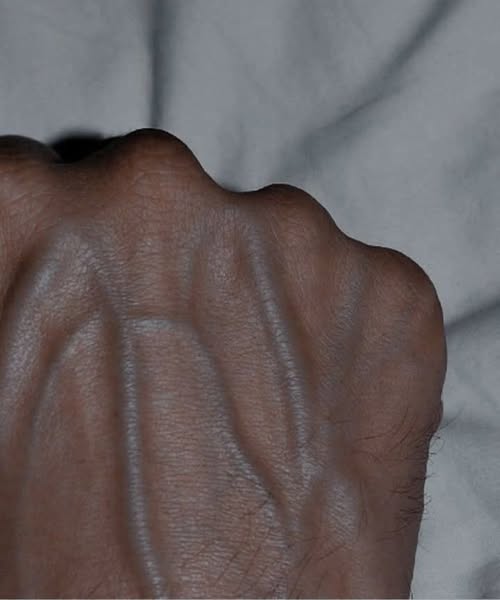
Veins that look more visible or slightly raised under the skin are a common and usually harmless occurrence. Their appearance can change from day to day based on factors such as temperature, physical activity, hydration levels, and body position. Warm environments, exercise, or long periods of standing can cause veins to expand as blood flow increases. Over time, natural skin changes associated with aging can also make veins easier to see. Genetics, body composition, sun exposure, and tight clothing may further influence how noticeable veins appear.
In some situations, veins may seem more prominent than usual or feel uncomfortable. This can happen when blood flow slows and pressure builds inside the veins, causing them to appear enlarged or uneven. These changes are most often seen in the legs, where circulation works against gravity. While this is typically not a serious concern, ongoing discomfort or visible changes that do not improve may be worth paying attention to over time.
Daily habits and natural body changes can affect circulation and vein appearance. Long periods of sitting or standing, hormonal shifts, pregnancy, smoking, and carrying extra weight may place added strain on the veins. Simple lifestyle choices can support circulation, such as staying active, changing positions regularly, and resting with the legs elevated when possible. Some people also find supportive garments helpful when recommended by a qualified professional.
Although visible veins are usually a normal variation, certain signs should not be ignored. Ongoing pain, sudden swelling, noticeable skin changes, or warmth in a specific area may signal the need for medical guidance. While vein visibility cannot always be prevented, maintaining good hydration, wearing comfortable clothing, and supporting overall circulation can help. With awareness and healthy routines, most people can manage changes in vein appearance with confidence and ease.