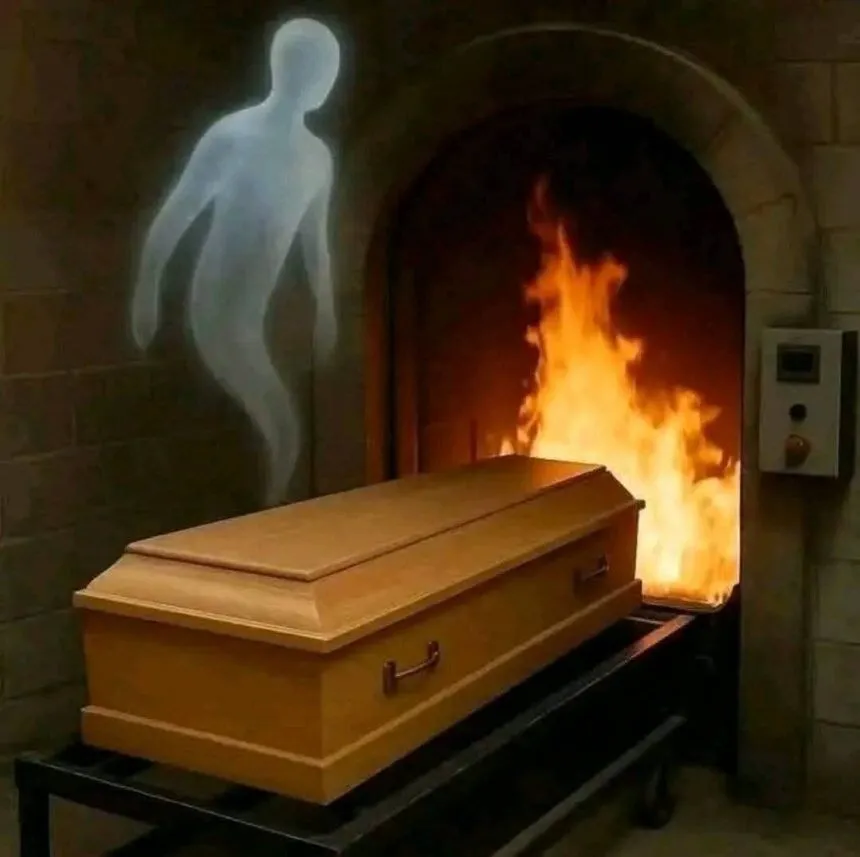
For many years, people of faith have discussed how cremation fits within biblical teaching. As cremation has become a more common and practical option in modern times, questions continue to arise about whether it aligns with the values found in Scripture. Rather than relying on tradition or emotion, many believers seek clarity by examining what the Bible teaches about life, death, and respect for the human body.
Throughout Scripture, the human body is presented as part of God’s creation and treated with dignity. The Bible frequently references burial as the customary practice among believers, from the patriarchs of the Old Testament to the burial of Jesus in a tomb. These examples reflect cultural and spiritual traditions of their time, where burial symbolized rest, honor, and hope beyond death. In contrast, references to fire in biblical texts are often symbolic and connected to themes other than ordinary end-of-life practices.
Biblical imagery surrounding burial is often linked to expectation and renewal. Passages that speak about resurrection describe the body as something that changes rather than disappears, emphasizing continuity rather than destruction. This symbolism has led many Christians to view burial as a meaningful expression of faith in future restoration. However, Scripture does not explicitly command one method of handling the body over another.
Importantly, the Bible does not describe cremation as a forbidden or unforgivable act. Core Christian belief holds that God’s power is not limited by physical processes, whether a body returns to dust naturally or more quickly. For this reason, many believers understand burial as a traditional expression of faith rather than a requirement. Ultimately, decisions surrounding end-of-life arrangements are often guided by personal conviction, cultural context, and family considerations, with an emphasis on honoring both faith and loved ones with respect and care.