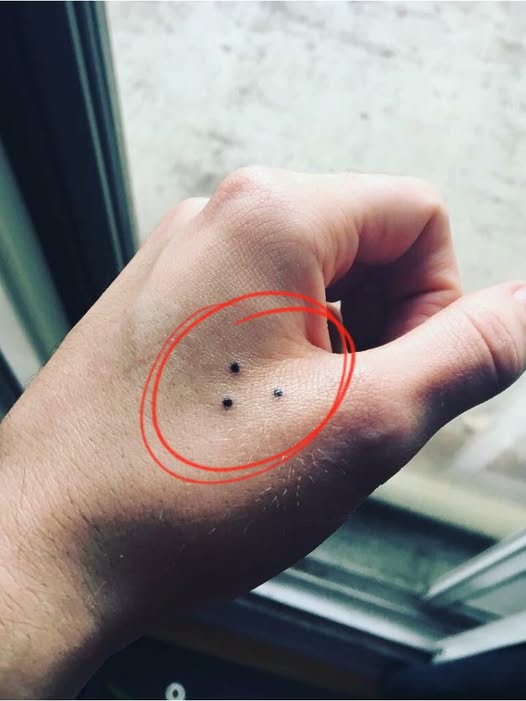
Tattoos have been part of human expression for thousands of years, symbolizing identity, faith, and belonging across cultures. From the intricate body art of Polynesian tribes to the sacred markings of ancient Egyptians, tattoos have long served as reflections of status, courage, and spirituality. Over time, these traditions evolved into a modern art form — one that allows individuals to share personal stories, celebrate milestones, and express deeply held beliefs through ink.
In today’s world, tattoos often serve as emotional and artistic statements. Some mark meaningful events, like the birth of a child or the overcoming of hardship, while others capture abstract ideas such as balance, freedom, or resilience. Even the smallest design can hold immense sentimental weight, becoming a visible reminder of a person’s journey. Each tattoo transforms private experience into visual storytelling — a permanent reflection of identity and memory.
Among minimalist designs, the three-dot tattoo stands out for its simplicity and rich symbolism. Spiritually, it can represent harmony between body, mind, and spirit, or the principle of “see no evil, hear no evil, speak no evil.” Many wear it as a quiet emblem of mindfulness, moral strength, or inner balance. Yet, context is important — in certain subcultures, including prison environments, the same three dots may represent loyalty, secrecy, or association with a specific group.
Ultimately, the meaning of the three-dot tattoo depends on the person who wears it. Its beauty lies in its adaptability — a design that can signify peace, unity, struggle, or strength, depending on one’s story. This small but powerful symbol captures what makes tattoo art timeless: the ability to carry layers of history, belief, and emotion in a few simple marks that speak volumes without words.