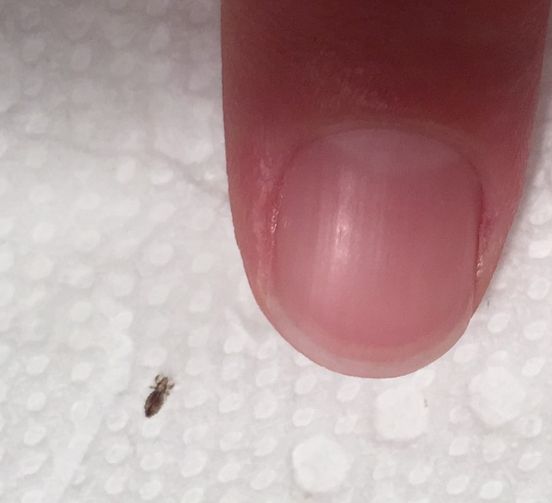
Discovering head lice can be upsetting for many families, especially when itching and irritation begin to interfere with daily life. These small insects are most commonly found among children, particularly in schools and childcare environments where close contact is common. Lice can spread through shared personal items or direct head-to-head contact, but their presence is not related to cleanliness or hygiene. Approaching the situation with accurate information and a calm mindset can help reduce stress and make the process easier to manage.
Head lice are tiny, wingless insects that live on the scalp and feed in small amounts. They lay eggs, called nits, which attach firmly to hair strands close to the scalp. Because of this, nits can be more difficult to remove than live insects. While lice are not known to spread illness, their bites may cause itching and discomfort. They do not jump or fly, but they move by crawling, which explains why close contact is the most common method of transmission. Away from the scalp, they generally survive only briefly.
Addressing lice usually starts with a treatment product designed to eliminate live insects. It is important to carefully follow the directions provided, including application time and frequency. These products are intended to reduce active lice, but they may not remove all nits. For this reason, thorough combing is an essential step. Using a fine-toothed comb on damp hair, work through small sections slowly, starting near the scalp and moving outward. Cleaning the comb frequently during this process helps ensure effectiveness and thoroughness.
Ongoing care plays an important role in resolving the issue fully. Repeating treatment after several days can help address newly hatched lice. Simple cleaning of items that have close contact with the head, such as bedding, hats, and hair tools, is usually sufficient. Regular checks and encouraging children not to share personal items can help reduce the likelihood of recurrence. With patience and consistent steps, lice can be managed effectively, allowing routines to return to normal with confidence.