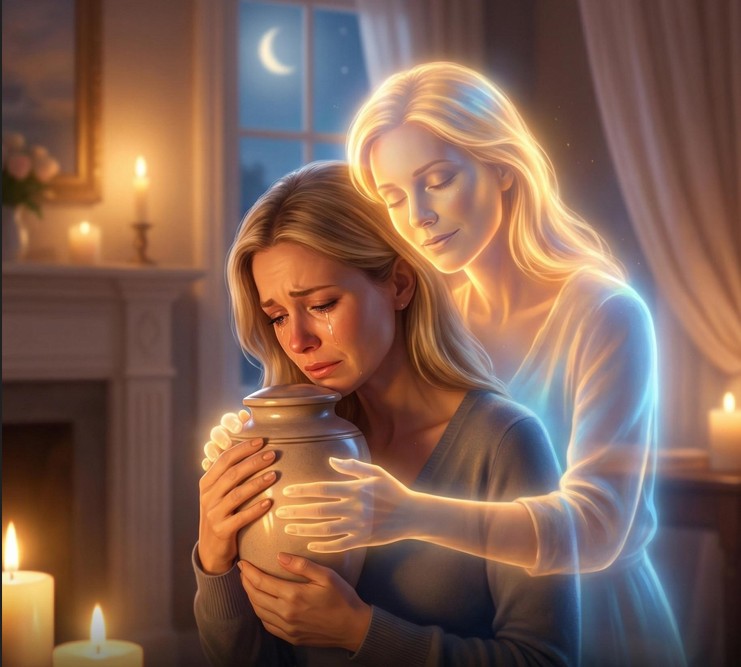
Losing a loved one is among the most challenging experiences in life, and the ways people choose to remember them are deeply individual. For many families, a memorial urn provides a sense of closeness and continuity, representing remembrance and lasting connection rather than absence. While emotions naturally guide these moments, handling an urn with care, awareness, and consideration can help maintain a sense of calm and respect. Knowing how to manage a memorial urn thoughtfully can ease concern and help ensure that it is treated with dignity.
When holding or moving an urn, focus on steadiness and intention. Using both hands and supporting the base is recommended, rather than lifting it by the lid or decorative features. Memorial urns are often made from materials such as metal, stone, or ceramic, which can be heavier or more fragile than expected. Moving slowly and deliberately reduces the risk of accidents. If emotions feel overwhelming, placing the urn on a stable surface and pausing is completely appropriate. For transport outside the home, a padded case or protective container can add an extra layer of security.
Being aware of cultural practices and legal considerations is also important. Guidelines related to cremated remains can vary depending on location, particularly when traveling or planning a memorial service. Some regions have specific rules regarding transportation or final placement. When flying, many airlines allow cremated remains but may request documentation or recommend containers suitable for security screening. Honoring cultural or religious traditions related to remembrance can offer additional comfort and meaning during this time.
Above all, a memorial urn represents a lasting connection rather than simply a physical object. It holds memories, shared moments, and the enduring presence of someone important. Some people find comfort in quietly reflecting while holding the urn, while others prefer placing it in a meaningful space or choosing a final resting location that feels right. There is no single correct way to approach this process. What matters most is choosing an option that feels respectful, supportive, and healing for you and your family as you move forward.