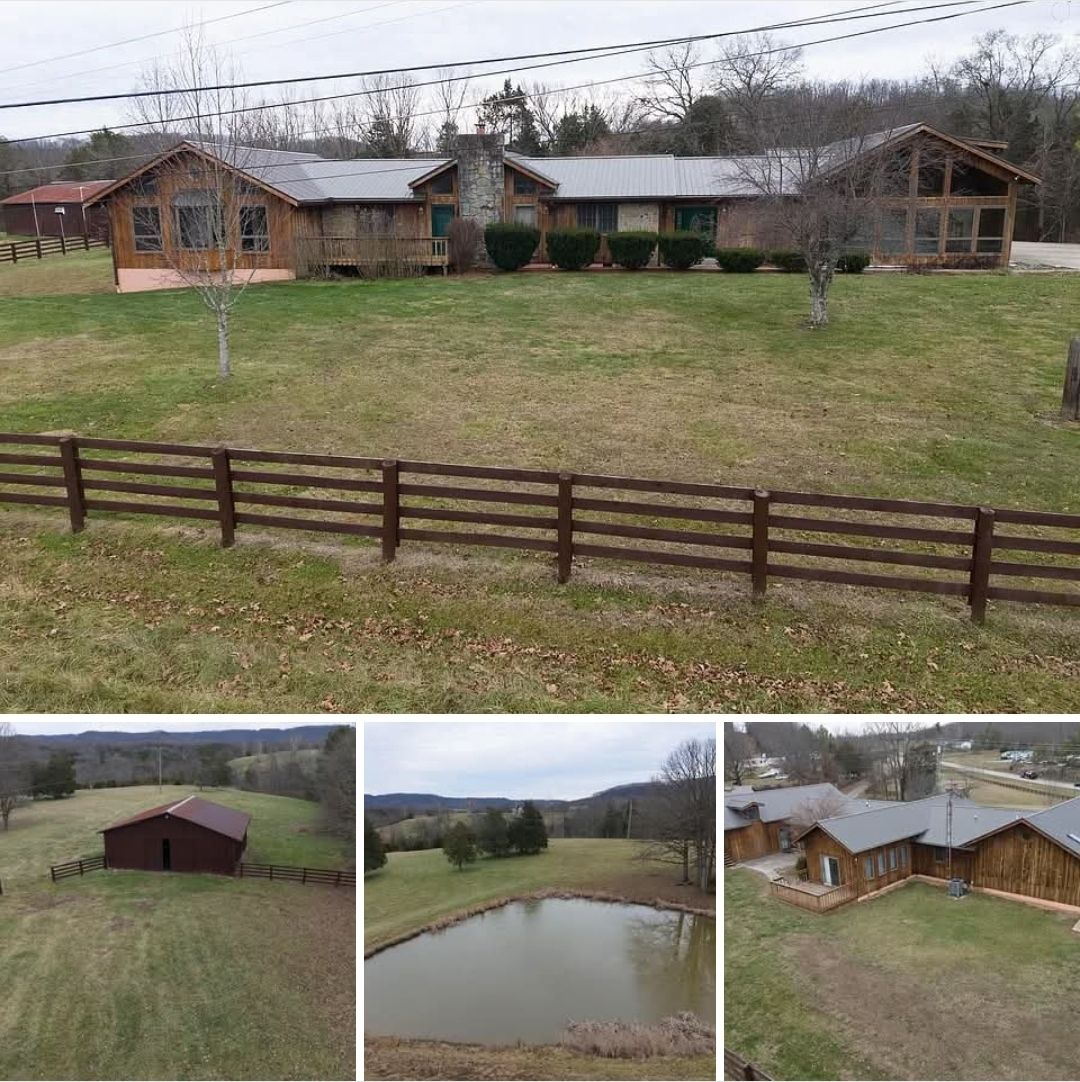
Nestled in the scenic countryside of Fleming County, this remarkable 21-acre estate offers a rare combination of luxury, privacy, and natural beauty. Located near Flemingsburg, the property features a stunning Western Red Cedar home surrounded by rolling hills, mature trees, open fields, and peaceful rural landscapes. From the gated entrance to the serene pond views, the estate delivers the atmosphere of a private mountain retreat while maintaining the comforts of modern living.
Built in 1986 and thoughtfully updated over time, the cedar home showcases lodge-inspired architecture with soaring cathedral ceilings, exposed wood beams, natural wood finishes, and expansive windows that fill the interior with natural light. The spacious open-concept layout centers around a wood-burning fireplace, creating a warm and inviting gathering space. The kitchen offers quality wood cabinetry, included appliances, and a functional design that flows naturally into the dining and living areas, making the home ideal for both everyday living and entertaining.
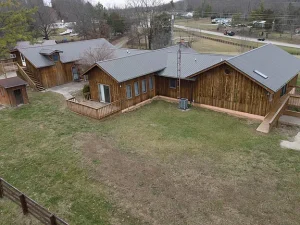
The property includes four bedrooms and three full bathrooms, all conveniently located on the main level. The private primary suite features its own deck overlooking the pond and scenic countryside, creating a peaceful retreat for relaxation and quiet mornings. Additional bedrooms offer flexibility for guests, home offices, or creative spaces, while updated flooring, fresh paint, and modern fixtures help balance rustic character with contemporary comfort. Outside, the stocked pond, open grassy areas, wooded acreage, and gently rolling terrain provide opportunities for fishing, hiking, wildlife observation, gardening, and outdoor recreation.
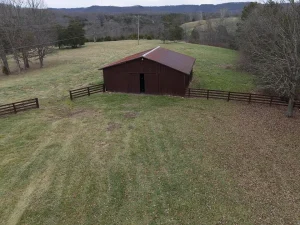
Additional features include a three-car attached garage, detached garage or workshop space, barn structures, gated access, and partial fencing that enhance both functionality and privacy. With approximately eight wooded acres attracting deer, wild turkeys, and native wildlife, the property creates an ideal setting for those seeking a private residence, hobby farm, retreat center, vacation rental, or future hospitality opportunity. Combining scenic land, quality craftsmanship, and exceptional versatility, this Fleming County estate presents a truly unique opportunity in the Kentucky real estate market.