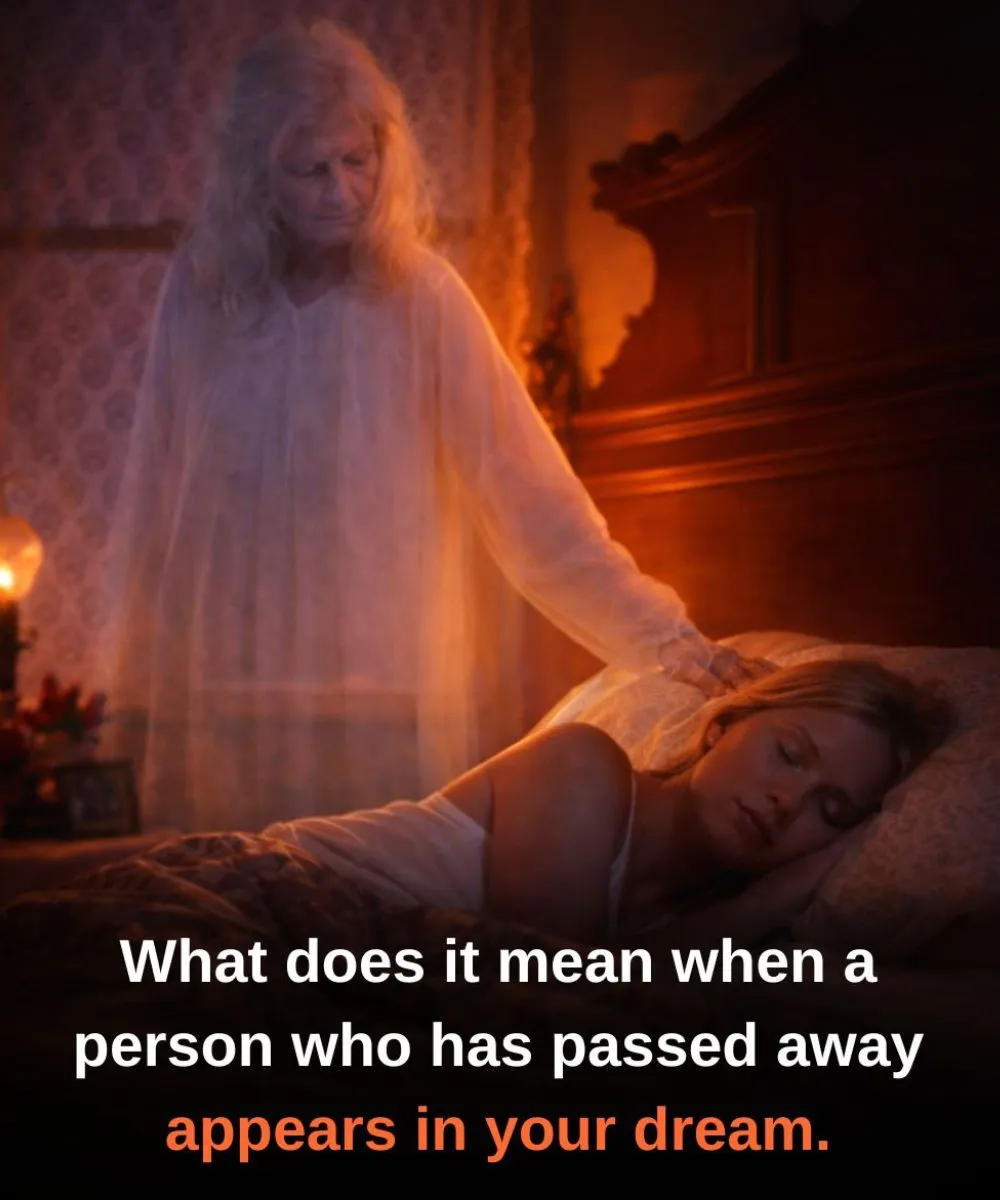
Dreams in which deceased individuals appear to speak are often understood as reflections of unresolved emotions and the mind’s natural effort to find understanding and emotional balance. From a psychological standpoint, these experiences are commonly seen as internal conversations, where the subconscious mind uses familiar figures to process feelings such as regret, longing, or acceptance. The act of a deceased person speaking in a dream frequently symbolizes the dreamer’s own inner voice working through thoughts or emotions that may not have been fully expressed while awake.
Research into grief and memory suggests that healthy adjustment after loss involves reshaping emotional connections rather than eliminating them entirely. In this view, when a deceased loved one offers reassurance or guidance in a dream, it can represent the dreamer drawing upon internalized values, lessons, or emotional support associated with that person. The spoken words are less about an external message and more about the mind accessing qualities like comfort, wisdom, or stability that were once linked to that relationship.
Such dreams often occur during times of stress, uncertainty, or major life changes. When individuals face emotional pressure, the subconscious may revisit memories of people associated with safety or understanding. The presence of a familiar voice in a dream can symbolize the mind’s attempt to restore emotional balance and reduce anxiety by reconnecting with a sense of continuity and support drawn from past relationships.
The meaning of these dreams is highly personal and shaped by individual experience and cultural background. Rather than focusing on the literal content of what is said, interpretation often centers on how the dream feels and what emotional response it leaves behind. A calm or reassuring interaction may reflect growing acceptance and emotional integration, while a tense or unsettling exchange can signal unresolved feelings. In all cases, these dreams highlight how memories and emotional bonds continue to influence inner life, even after loss.