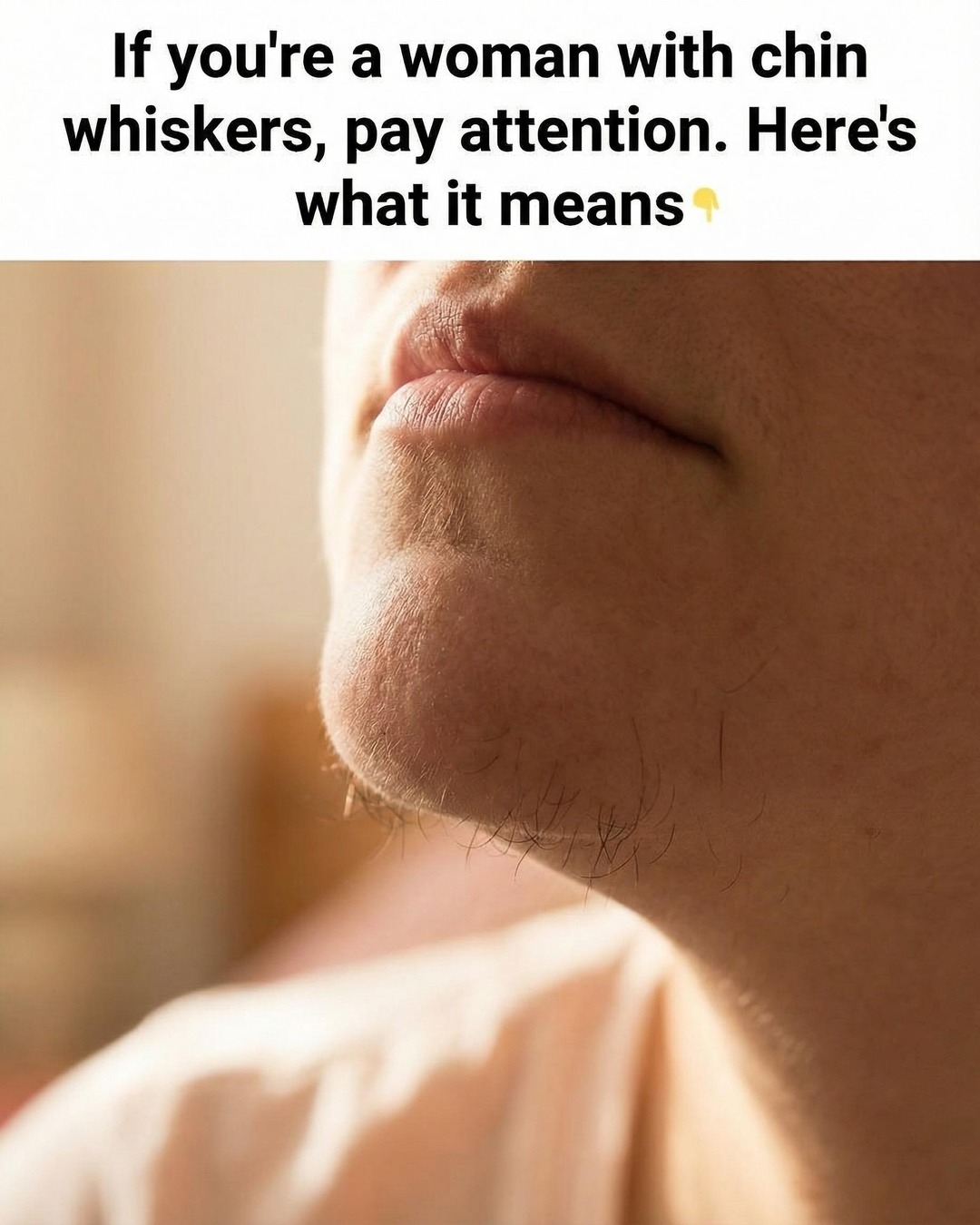
Noticing a coarse hair or two on the chin can feel unexpected, but it is far more common than many women realize. Facial hair growth varies from person to person and is often a normal part of the body’s natural changes over time. Factors such as genetics, aging, and everyday hormonal fluctuations can all influence where and how hair grows. For most women, chin hair is a cosmetic concern rather than a sign of a medical issue.
Hormonal changes are one of the most common reasons chin hair appears or becomes more noticeable. Women naturally produce small amounts of androgens, which are hormones that affect hair growth. Even slight shifts in hormone levels can stimulate hair follicles on the chin or jawline. These changes can happen gradually and may be more noticeable at certain stages of life.
Such shifts often occur during menopause, after starting or stopping birth control, or alongside thyroid-related changes. In some cases, chin hair may appear along with other changes such as acne, irregular menstrual cycles, or weight fluctuations. When several symptoms appear together, it may be helpful to consult a healthcare professional for guidance. One condition sometimes discussed in this context is polycystic ovary syndrome, which can be associated with increased hair growth in certain areas.
However, chin hair on its own does not indicate a specific condition, and many women experience it due to normal aging or inherited traits. If managing appearance is the main concern, options such as trimming, threading, waxing, or professional hair removal are commonly used. Staying informed, paying attention to changes, and choosing a solution that feels comfortable can help women address chin hair with confidence and ease.