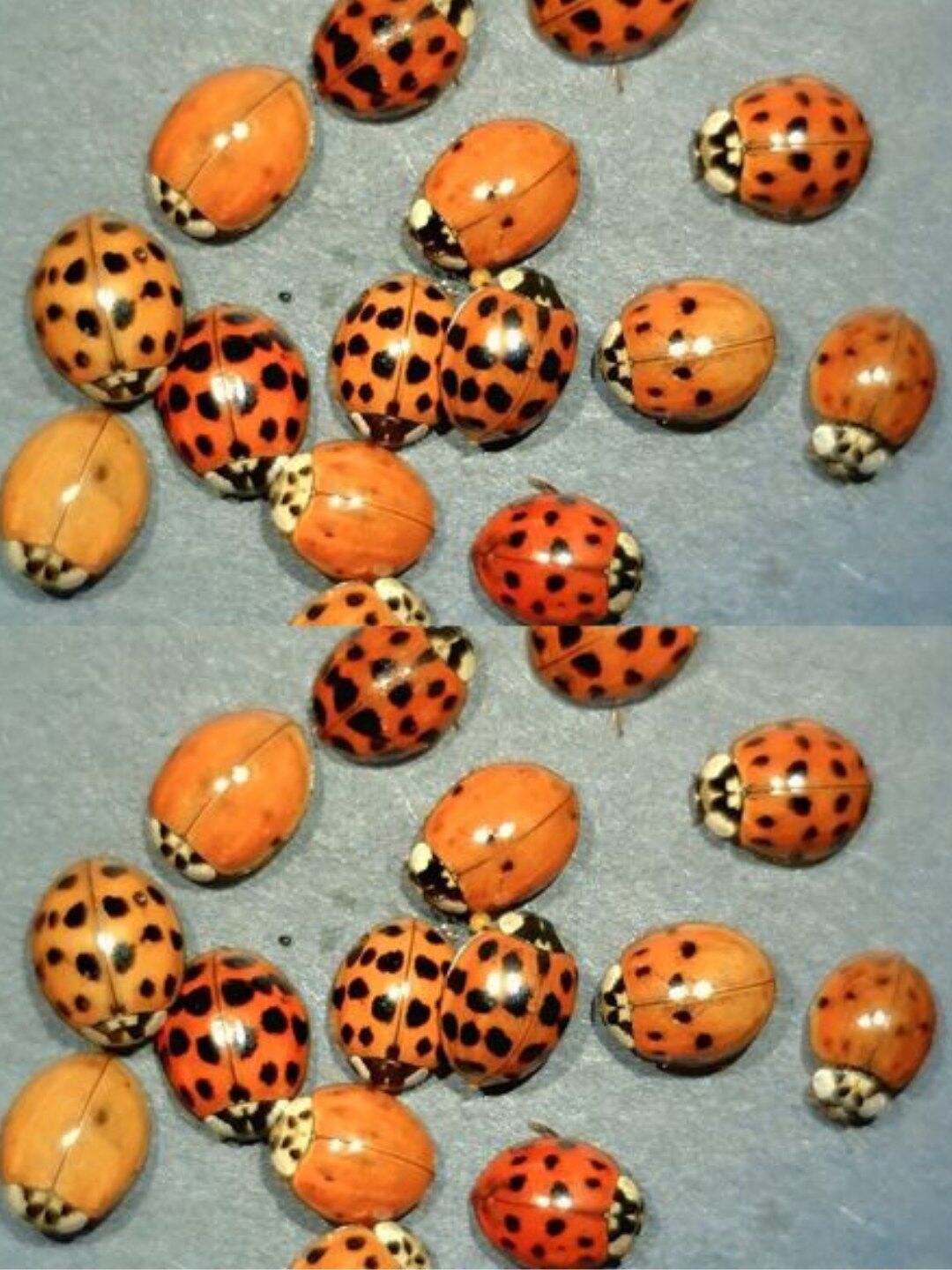
Coming across a yellow ladybug often feels like a small, pleasant surprise from nature. While most people are familiar with the classic red-and-black variety, a yellow ladybug instantly stands out because of its bright and cheerful appearance. This unexpected sight naturally sparks curiosity and a sense of appreciation for the subtle diversity found in everyday surroundings.
Yellow ladybugs are a real and natural part of the insect world. They belong to the ladybug family, which includes thousands of species found across the globe in a wide range of colors and patterns. Some yellow varieties feature distinctive markings that make them easy to recognize. Their unique appearance highlights how varied and adaptable these insects can be within different environments.
From a scientific perspective, the yellow coloration serves an important role. Bright colors act as a natural warning to predators, signaling that the insect is not an appealing meal. Ladybugs are known to produce substances that deter predators, and their color helps communicate this defense. In addition to this protective function, ladybugs are helpful to gardens because they feed on plant pests, supporting healthy plant growth.
Beyond biology, yellow ladybugs are often associated with positive symbolism. The color yellow is commonly linked to optimism, warmth, and new beginnings. Many people view an encounter with a yellow ladybug as a reminder to notice small moments of joy and possibility. Whether appreciated for their role in nature or their symbolic meaning, these insects offer a gentle reminder of the quiet beauty found in the natural world.