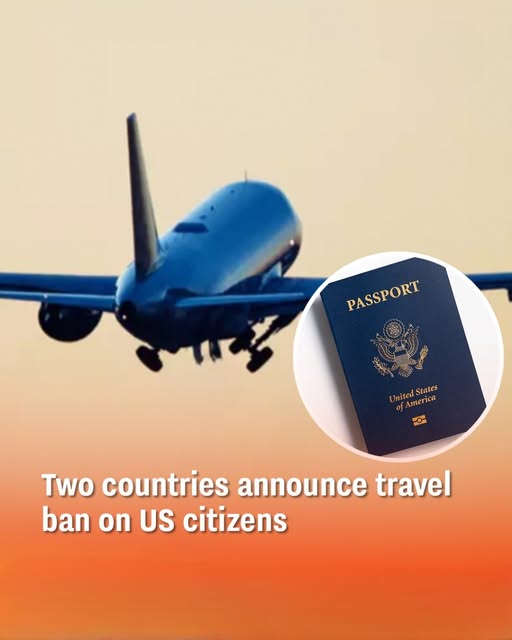
Recent policy decisions by governments in parts of West Africa to limit entry for U.S. citizens reflect broader changes in international relations rather than a short-term disagreement. Officials have framed these actions around reciprocity, stating that visa and entry rules should apply equally between nations. The moves suggest a growing willingness among these countries to respond firmly to policies they view as unbalanced, emphasizing mutual respect over one-sided arrangements.
Although the announcements focus on official travel requirements, the real-world effects extend well beyond diplomacy. Families have experienced unexpected separation, educational exchanges have been interrupted, and humanitarian projects have faced delays. These outcomes often affect individuals and communities who are not involved in policy decisions, highlighting how travel rules can have wide-reaching personal and social consequences.
From the United States’ standpoint, stricter travel measures are often described as administrative steps related to security or compliance standards. Regional leaders, however, interpret those same policies as unequal and dismissive, reinforcing concerns about fairness in global travel access. This difference in perspective has added strain to relationships that were already under pressure.
As interpretations continue to diverge, trust has become harder to rebuild. Recent actions by Mali and Burkina Faso follow earlier decisions by neighboring countries, signaling a broader regional pattern. Together, these developments point to a shift in how several nations in the Sahel region are asserting independence in their diplomatic approach, suggesting that future engagement will require greater dialogue and balance to move forward constructively.