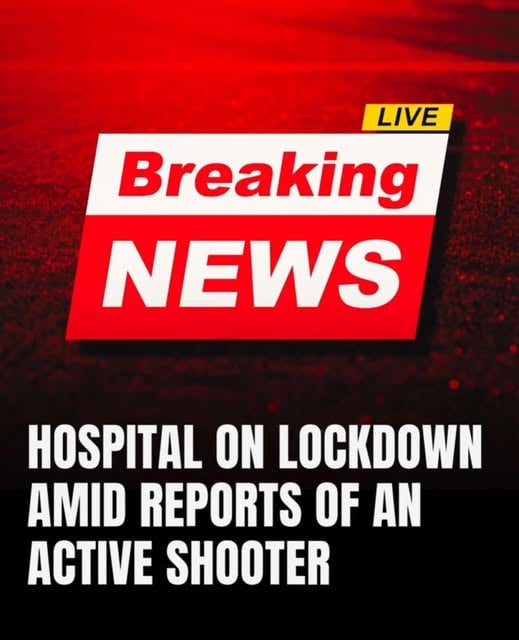
Hospitals are places where people expect care, support, and security, which is why a reported safety incident at Corewell Health Beaumont Troy Hospital on March 20, 2025, attracted significant attention from both staff and the surrounding community. What began as a normal morning quickly led to precautionary measures after reports of an incident near the hospital parking area prompted concerns among patients, visitors, and employees.
According to reports, hospital security personnel responded shortly after receiving information about the situation. Individuals on the property were encouraged to follow safety guidance while staff worked to assess conditions and support those present. Emergency procedures were activated, and hospital teams coordinated efforts to help maintain a secure environment throughout the facility.
Law enforcement officers arrived promptly and conducted a thorough response, securing the area and gathering information. Authorities later stated that the incident appeared to involve a dispute between individuals who were known to one another rather than a threat directed at the broader public. One person received medical attention, and officials reported that a suspect was later located and taken into custody without further incident.
Although normal operations eventually resumed, the event highlighted the importance of emergency preparedness, communication, and cooperation during unexpected situations. Hospital staff, first responders, and community members worked together to support safety efforts throughout the response. In the days that followed, many focused on recovery, community support, and continued efforts to maintain a safe and welcoming healthcare environment for patients, visitors, and employees.