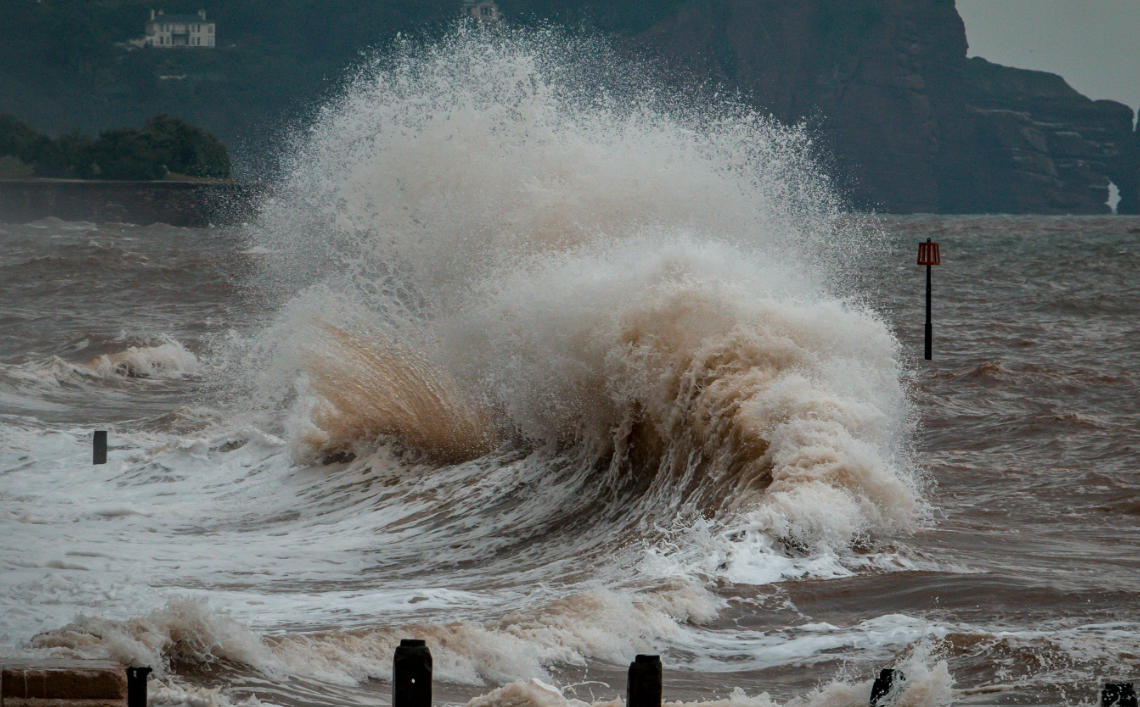
A powerful offshore earthquake occurred near the Kamchatka Peninsula, leading to noticeable tsunami activity across parts of the Pacific Ocean. Waves were recorded reaching areas of the Kuril Islands, prompting authorities to issue safety alerts and begin precautionary evacuations. Coastal regions in Japan, Alaska, and Hawaii also took preventive measures as a safety response. The tsunami effects were mainly limited to areas close to the earthquake’s source, with localized flooding reported.
Coastal communities nearest to the epicenter experienced waves that reached several meters in height, temporarily affecting beaches, roads, and low-lying shoreline areas. Emergency response teams acted promptly to guide residents to safer locations, open temporary shelters, and manage traffic away from vulnerable zones. Officials urged caution despite the limited impact, noting that tsunami behavior can vary and requires close observation.
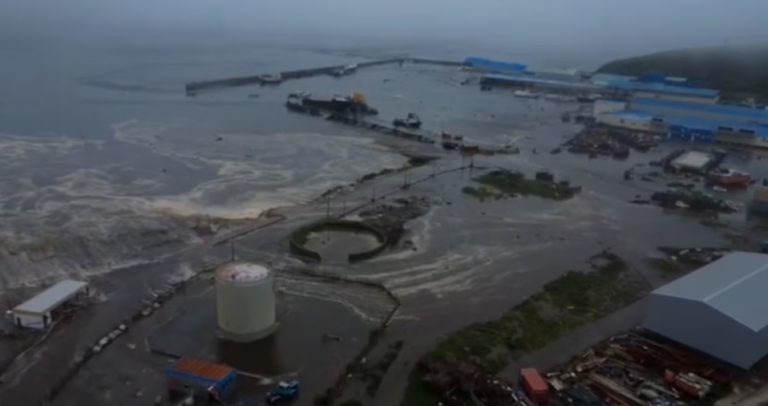
Warnings were distributed across a wide region, allowing distant coastal populations time to prepare and follow safety guidance. In many locations far from the source, only minor sea level changes and small coastal movements were observed. The strongest effects remained concentrated near eastern Russia, demonstrating how distance plays a key role in tsunami intensity.
Specialists indicated that although severe damage was avoided, the event highlights the continued risk faced by communities around the Pacific Rim. Ongoing preparedness efforts, early alert systems, and public awareness remain essential for reducing future risks. Large offshore earthquakes can have far-reaching effects, making coordinated monitoring and readiness an important priority for coastal regions worldwide.