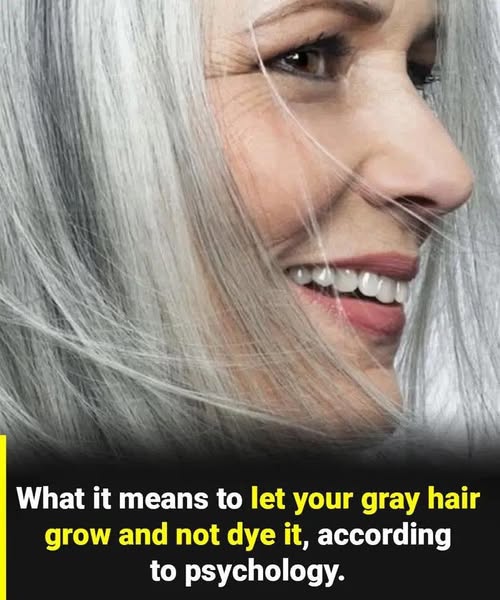
Choosing to leave gray hair natural instead of coloring it has become increasingly accepted, reflecting shifts in personal identity and emotional awareness. For many years, gray hair was linked to negative ideas about aging and loss of relevance, reinforcing the belief that youth determined value. Today, that perspective is changing, and gray hair is often viewed as a symbol of authenticity, confidence, and self-acceptance rather than something to conceal.
From a psychological standpoint, the decision to stop coloring hair often represents a deeper change in self-perception. Because hair is closely tied to identity and outward presentation, allowing gray strands to show can challenge long-held assumptions about aging. Many people discover that their discomfort was rooted more in fear of judgment than appearance itself. Embracing gray hair can shift self-worth away from external approval toward a more grounded sense of personal alignment.
Letting gray hair show can also be an act of self-affirmation. Choosing not to alter one’s natural appearance reflects acceptance and independence from cultural expectations that tie value to youthfulness. For many women, who have historically faced stronger pressure to hide signs of aging, this choice can bring relief and a sense of liberation. For men, it often represents confidence and a rejection of narrow standards tied to productivity or age.
Ultimately, embracing gray hair is about emotional freedom rather than appearance alone. It signals a healthier relationship with aging and a release from shame or unrealistic standards. This choice can foster resilience, confidence, and a deeper sense of authenticity, reflecting both personal growth and a broader cultural movement toward valuing self-expression and self-respect at every stage of life.