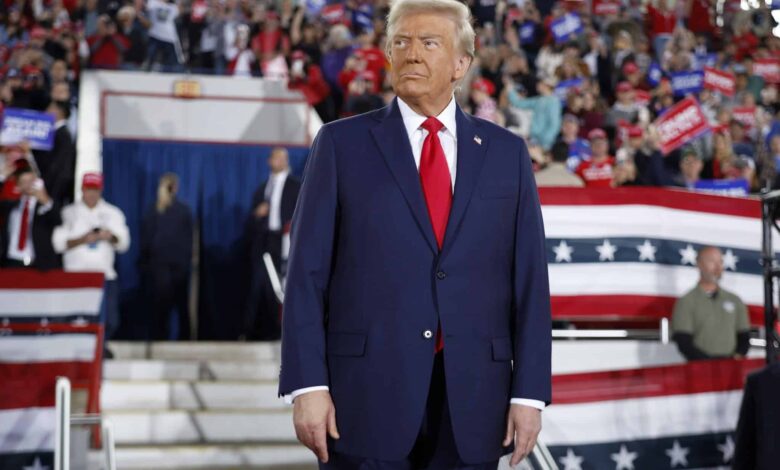
President Donald Trump has presented his second term as a period of strong momentum and national progress. In public remarks and interviews, he has highlighted positive economic indicators such as trade revenue, energy prices, and overall economic strength. His messaging emphasizes confidence and achievement, portraying his leadership as decisive and effective while suggesting the country is moving in a stronger direction.
At the same time, reactions to this messaging have remained mixed. Supporters echo his optimistic outlook, while critics argue that his assessments rely on selective information and broad claims that do not reflect everyone’s experience. Since returning to office, Trump has pursued an assertive governing style, including expanded use of executive authority, which has energized his base but also intensified opposition. As a result, public discussion around his leadership remains highly active and divided.
International relations and immigration policy have continued to draw significant attention. Trump has described his approach to global affairs as steady and results-driven, though some proposals and statements have generated renewed debate. Domestically, his immigration policies remain a defining issue, attracting both strong approval and firm criticism. These ongoing policy discussions contribute to a sense of uncertainty for voters assessing the direction of the administration.
Public opinion data reflects this divide. A recent survey conducted by AP-NORC indicates that national approval levels have remained relatively stable. Approximately 40 percent of adults surveyed expressed approval of Trump’s performance, while a majority reported disapproval. Similar patterns appeared across key issues such as the economy, immigration, trade, and foreign affairs. Overall, the polling suggests that while the administration projects confidence, public opinion remains closely split as the second term continues.