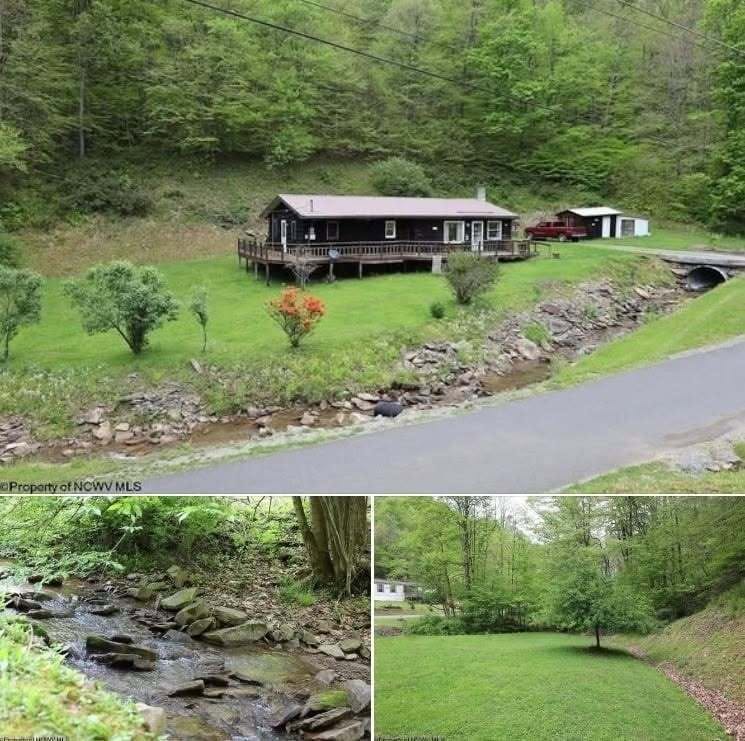
This ranch-style home, built in 1982, presents an appealing opportunity for buyers seeking a property with renovation and customization potential. Situated in a peaceful rural setting, the home offers three bedrooms, one bathroom, and approximately 1,304 square feet of living space, all conveniently located on a single level. Its layout provides a practical foundation for updates while allowing new owners to personalize the space to meet their needs.
One of the property’s most attractive features is the deck located off the living room, which overlooks a nearby stream and creates a relaxing outdoor environment. The natural surroundings contribute to the home’s quiet country atmosphere while offering a pleasant space to enjoy the landscape. Although the stream passes through the front yard area, the property is reported to be outside of a designated floodplain.
Inside, the home retains many of its original features and may benefit from modernization, making it a suitable option for buyers interested in adding value through improvements. Existing amenities include carpet and vinyl flooring, baseboard heating, and a pellet stove. These features provide functionality while offering flexibility for future upgrades and renovations.
Additional conveniences include high-speed internet availability, a private well, septic system, off-street parking, and access to city water connections. Combined with its durable structure, metal roof, and scenic setting, the property may appeal to families, first-time buyers, retirees, or investors. For those willing to invest time and effort into enhancements, this home offers an opportunity to build equity while enjoying the benefits of rural living.