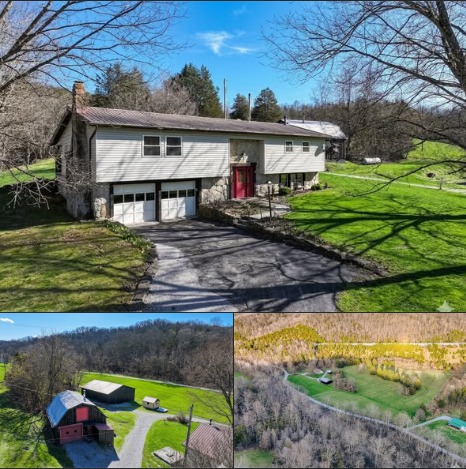
This multi-parcel real estate offering presents an excellent opportunity for buyers seeking acreage, residential living space, and long-term potential. Spanning more than 10 acres and divided into three flexible tracts, the property provides multiple options for ownership and future use. Whether intended for personal enjoyment, income-producing purposes, or future investment, the property offers versatility in a desirable rural setting.
At the center of the property is a 3-bedroom, 2-bath split-level home built in 1978 with approximately 1,515 square feet of living space. The home features a spacious living room with a wood-burning fireplace that serves as a welcoming focal point. While the interior reflects its original character, the home offers a solid foundation and opportunities for updates that can enhance comfort, functionality, and overall appeal.
The kitchen and dining area provide a practical layout with wood cabinetry and durable flooring, while the upper level includes all three bedrooms, including a primary bedroom with a private bathroom. A lower-level basement offers laundry facilities, storage space, and potential for additional uses. Essential features such as forced-air heating, central air conditioning, public water service, septic, and propane help support year-round convenience and everyday living.
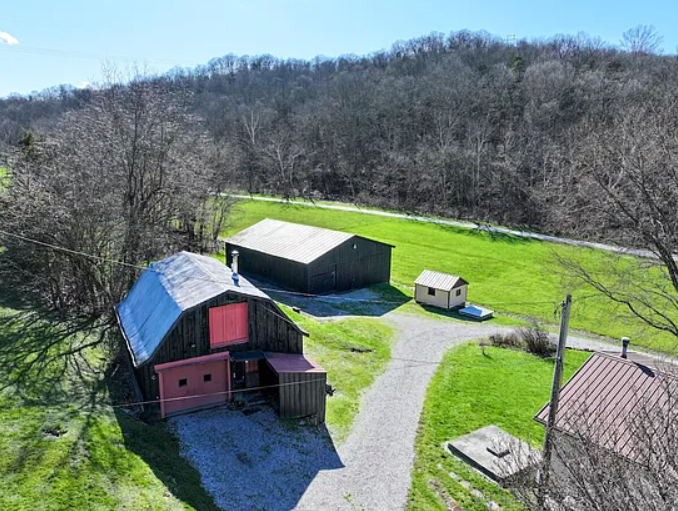
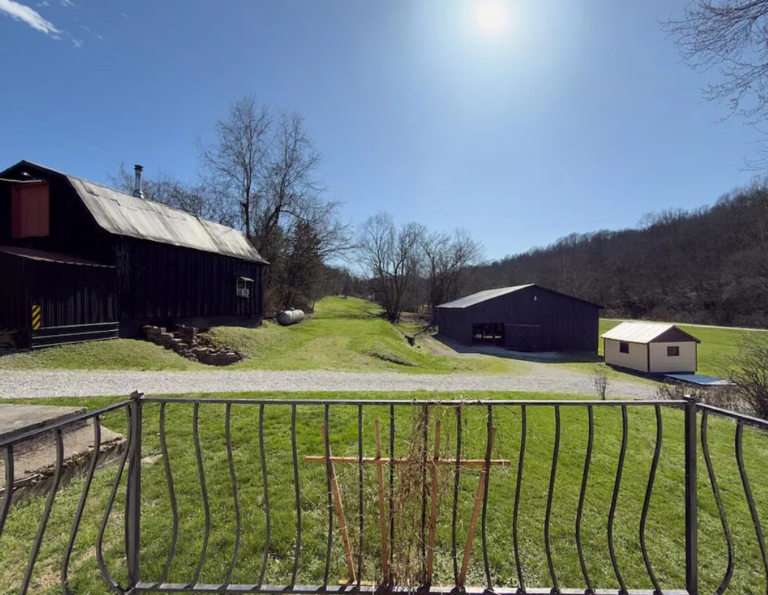
Outside, the property includes a barn and detached garage that add valuable storage and workspace options. The expansive acreage provides room for recreation, gardening, agricultural activities, or other permitted uses. With flexible tract configurations, useful outbuildings, and significant land area, this property offers a combination of residential comfort, outdoor space, and future potential for a variety of buyers.