
Charles B. Rangel, the longtime New York congressman and former chairman of the House Ways and Means Committee, built a public career spanning nearly five decades. Representing Harlem and surrounding communities, he became one of the longest-serving members of the U.S. House. His work covered economic policy, housing, education, health care, veterans’ issues, international relations, and programs intended to expand opportunities for working families.
Rangel’s path to public service began in Harlem, where he was born and raised. As a teenager, he joined the U.S. Army and served during the Korean War, where he was wounded and received a Purple Heart and Bronze Star with Valor. After returning home, he continued his education, earning degrees from New York University and St. John’s University School of Law before entering law and government.
His political career included local and state service before he entered Congress in the early 1970s. Rangel helped establish the Congressional Black Caucus and later held influential positions, eventually becoming chairman of the House Ways and Means Committee. His legislative work included taxes, employment, housing, health care, trade, and programs such as the Earned Income Tax Credit, Low-Income Housing Tax Credit, and Empowerment Zones.
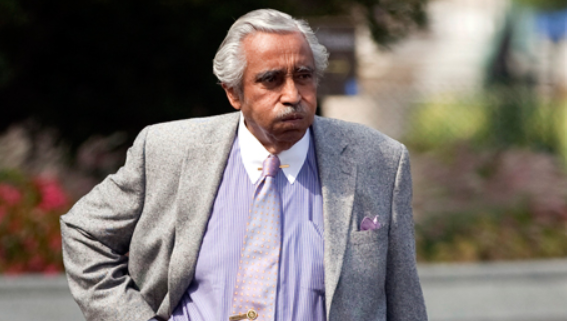
Rangel also remained closely connected to veterans’ issues and international affairs. His military experience influenced his efforts supporting fellow veterans, including initiatives related to Korean War veterans and National Korean War Veterans Armistice Day. The Charles B. Rangel International Affairs Fellowship Program was created to prepare students for careers in international affairs and public service. Rangel died at 94, leaving behind a career closely associated with Harlem, congressional representation, veterans’ affairs, and legislation affecting communities across the country.