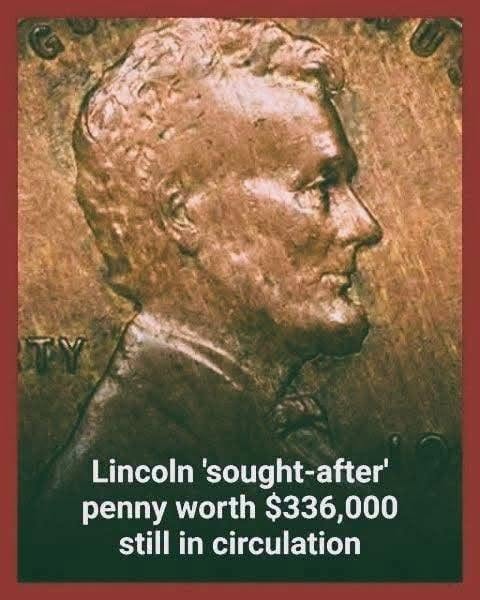
The 1943 Bronze Lincoln Cent is one of the most notable error coins in American numismatic history. During World War II, the U.S. Mint changed from bronze to zinc-coated steel cents in 1943 to conserve copper for military production. During this transition, a small number of bronze planchets from the previous year reportedly remained in minting equipment and were accidentally struck with 1943 dies.
The resulting bronze cents were not intended to be produced, making them extremely rare. The first known examples gained attention after appearing in circulation in the late 1940s. News reports and interest among collectors helped establish the coins as unusual pieces of American history, while also encouraging speculation about whether additional examples might still exist.
For collectors, the coins are notable because of their combination of rarity, historical context, and distinctive appearance. Unlike the gray-colored steel cents produced in 1943, the bronze examples have the familiar copper-colored appearance associated with earlier Lincoln cents. Their unusual origin also reflects the challenges faced by the Mint during a period of wartime production and material shortages.
Only a small number of authentic 1943 bronze cents are known today, and examples can command significant prices when sold through major auctions. More than eight decades after they were accidentally produced, these coins remain highly sought after by numismatists. Their history demonstrates how an unintended minting error can become an important and valuable part of American coin-collecting history.