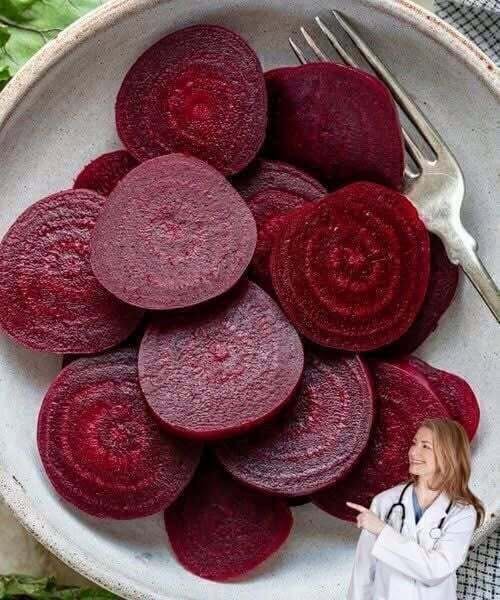
Beets are nutrient-rich root vegetables that can contribute to a healthy, balanced diet. Their natural compounds, vitamins, minerals, and dietary fiber support several important bodily functions. Although sometimes described as a superfood, their benefits are best understood as part of consistent, varied nutrition rather than an immediate solution to health concerns.
One notable component of beets is dietary nitrate, which the body converts into nitric oxide. This compound helps blood vessels relax, potentially improving circulation and supporting healthy blood pressure. Some research suggests that beetroot juice may also benefit exercise endurance, although results vary depending on the individual, activity, and amount consumed.
Beets provide fiber that supports digestive health and beneficial gut bacteria. They also contain betalains, natural pigments with antioxidant properties. Important nutrients include folate, which supports normal cell development, potassium for muscle and nerve function, and manganese, which contributes to several metabolic processes. Research into their broader cognitive and metabolic benefits remains ongoing.
Beets can be enjoyed roasted, boiled, blended into smoothies, or added raw to salads. Individuals prone to certain kidney stones may need to limit their intake because beets contain oxalates. They can also temporarily turn urine or stool reddish, a generally harmless effect known as beeturia. Including beets alongside other vegetables offers a practical way to support everyday nutritional needs.