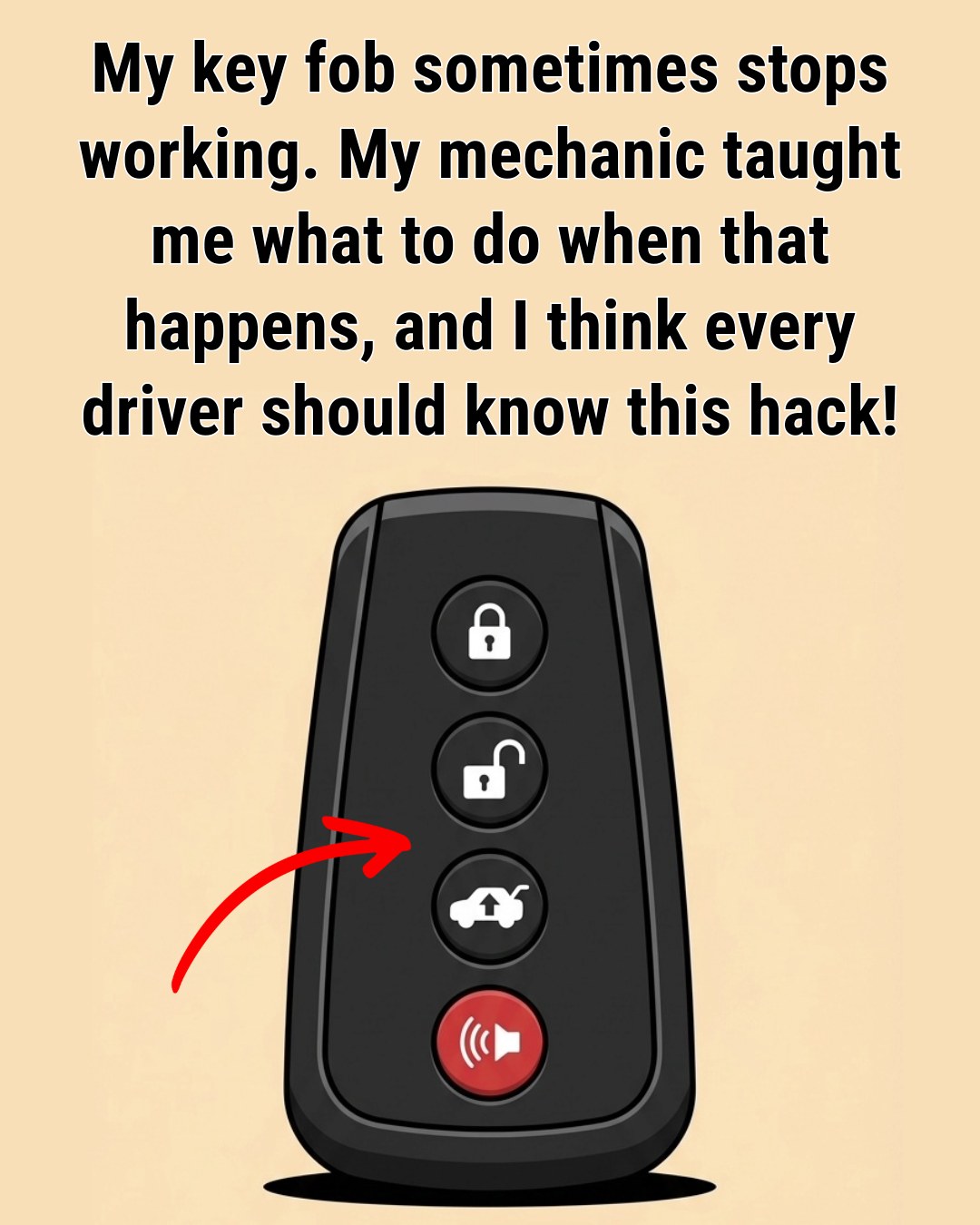
You know that moment when everything is going smoothly, and then something small suddenly changes your plans? That was my experience last weekend. After a relaxing afternoon with friends—coffee, conversation, and a peaceful drive—I was ready to head home. But when I tried to unlock my car, nothing happened. The key fob, which had always worked reliably, suddenly stopped responding. What started as a great day quickly turned into an unexpected and frustrating situation.
At first, I assumed it was a simple issue. I pressed the buttons again, adjusted how I was holding it, and tried a few quick fixes. Still, there was no response. The car remained locked, and it became clear that the problem wouldn’t resolve on its own. Suggestions came up—maybe it was the battery, or maybe I needed to stand closer—but guessing wasn’t helping. That’s when I realized it was time to approach the situation more practically.
If you ever face something similar, there are a few helpful steps to consider. Many key fobs include a hidden physical key that can be used to unlock the car manually. Once inside, some vehicles allow the engine to start by placing the fob close to the ignition or start button, even if the battery is weak. Replacing the battery is often a quick and affordable solution if that’s the issue. It’s also useful to have a backup option, such as a spare key or access to roadside assistance, in case the problem persists.
Looking back, what felt stressful at the time turned into a valuable learning experience. While technology adds convenience, it’s helpful to know how to handle situations when it doesn’t work as expected. Staying calm and being prepared can make a big difference, turning an inconvenience into something manageable and easier to resolve.