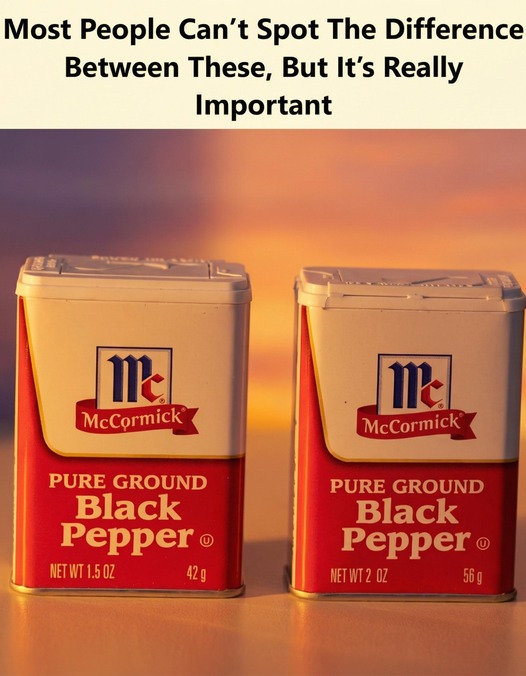
In today’s fast-moving retail environment, shoppers often make decisions quickly, relying on visual cues rather than closely reading labels. Elements like container size, shape, and design can strongly influence how people judge value. This can create a gap between what packaging technically states and what it appears to suggest. A recent legal dispute involving McCormick & Company and Watkins Incorporated has brought attention to this issue, raising broader questions about how packaging shapes consumer perception.
The case centers on claims that the amount of black pepper in certain products was reduced—from about eight ounces to six—while the external packaging remained largely unchanged. This practice is sometimes referred to as “slack-fill” or shrinkflation, where product quantity decreases without a noticeable change in packaging size. Watkins argues that maintaining a similar design may lead customers to assume the contents are the same, especially when the product looks familiar on store shelves.
A key point in the discussion is packaging transparency. Watkins uses clear containers that allow shoppers to see the product inside, while McCormick’s tins are not transparent. This difference may affect how consumers perceive value when comparing products side by side. Although labeling regulations require accurate net weight information, many shoppers rely more on visual impressions than detailed measurements when making quick purchasing decisions.
Beyond this specific case, the situation highlights a wider conversation about transparency and trust in retail. Even when companies follow labeling rules, questions can arise about how packaging influences expectations. In markets where brand loyalty is important, perception plays a significant role. This case serves as a reminder for consumers to look beyond packaging appearance and check product details, especially when small differences in quantity can impact overall value.