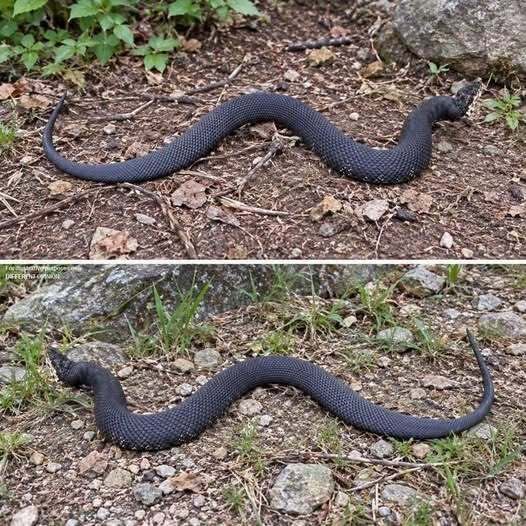
Spending time outdoors can be enjoyable, but encountering a copperhead snake requires caution. These venomous snakes have natural camouflage that allows them to blend into fallen leaves, rocks, and wooded surroundings. Their appearance makes them difficult to notice, particularly when walking through forests, gardens, or areas with thick vegetation.
Copperheads generally prefer avoiding human contact and often remain motionless when undisturbed. Most dangerous encounters occur when someone accidentally steps near a snake or reaches into its hiding place. If you notice one, maintain a safe distance and move away calmly. Never attempt to touch, capture, or relocate it yourself.
If a copperhead bite occurs, seek emergency medical assistance immediately, even when initial symptoms appear mild. Move away from the snake, remain as still as practical, and follow medical guidance. Avoid cutting the wound, attempting to remove venom by suction, applying ice, or using unverified home remedies. These methods can cause additional complications rather than improve recovery.
Prevention remains the most effective safety measure. Wear sturdy footwear, observe where you step, and exercise caution around logs, rocks, and dense vegetation. Avoid placing your hands in areas you cannot clearly inspect. By remaining attentive and respecting wildlife, outdoor enthusiasts can reduce unnecessary risks while continuing to enjoy nature safely.