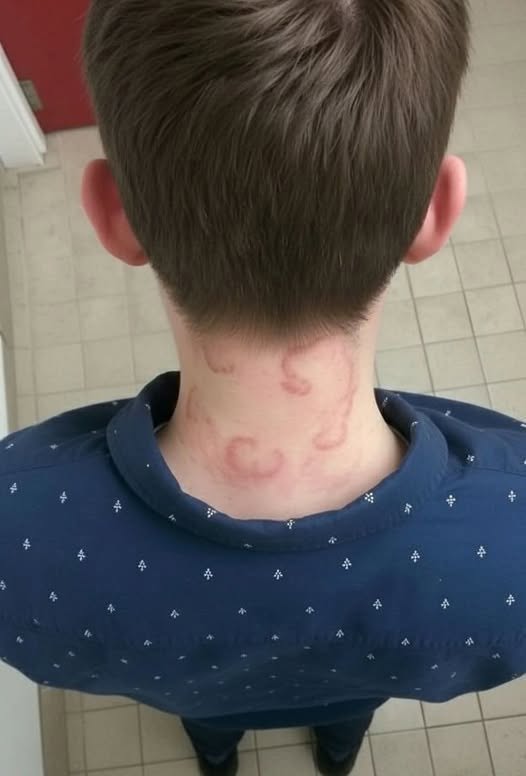
What initially appeared to be a minor skin irritation gradually became a concerning medical condition. The man experienced itching, burning sensations, and red, swollen patches that repeatedly appeared and disappeared. Initially believing he had a common allergy, he became concerned when the symptoms persisted and spread. Medical evaluation eventually identified the condition as urticaria, commonly called hives.
Urticaria occurs when immune cells release histamine, causing small blood vessels to leak fluid into surrounding tissues and produce raised, itchy welts. Although many episodes are mild, some involve deeper swelling called angioedema. In his case, swollen lips, puffy eyelids, and throat tightness indicated potentially dangerous progression, particularly when the airway becomes affected.
Doctors investigated possible triggers, including foods, medications, infections, temperature changes, physical pressure, and stress. Sometimes, no specific cause can be identified. Episodes lasting less than six weeks are generally classified as acute urticaria, while symptoms continuing beyond six weeks are considered chronic. Treatment commonly includes antihistamines, occasionally adjusted under medical supervision, with short corticosteroid courses reserved for selected severe flare-ups.
His experience highlighted the importance of recognizing warning signs and seeking appropriate care. While mild hives are often manageable, throat swelling, breathing difficulties, or rapidly worsening symptoms require immediate emergency medical attention. Understanding the condition, identifying possible triggers, and following medical guidance can help manage symptoms and reduce complications.