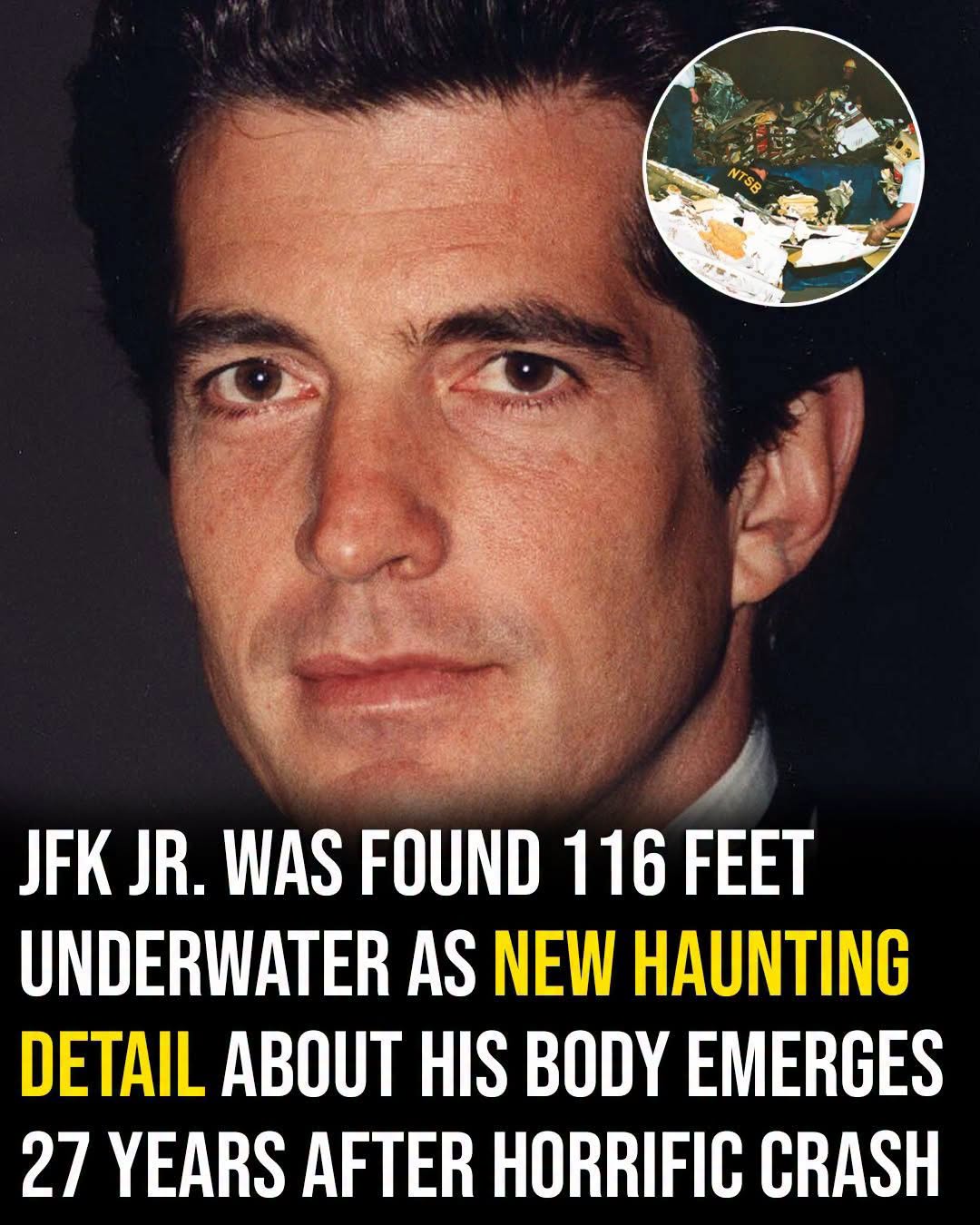
The July 1999 plane crash involving John F. Kennedy Jr. remains a significant tragedy in American history. On July 16, Kennedy, 38, departed New Jersey aboard a Piper Saratoga aircraft with his wife, Carolyn Bessette Kennedy, 33, and her sister, Lauren Bessette, 34. They were traveling to Martha’s Vineyard, Massachusetts, but never reached their destination.
An extensive search eventually located the aircraft approximately 116 feet underwater in the Atlantic Ocean. Retired Coast Guard Captain W. Russell Webster later recalled that Kennedy’s body was discovered about 10 feet from the wreckage, while Carolyn and Lauren were found inside. His recollections offer insight into the challenging recovery operation, although historical accounts should be considered alongside official records.
Investigators determined that spatial disorientation contributed to the accident. Flying at night over water, Kennedy encountered conditions with limited visual references, making aircraft orientation difficult to judge. The tragedy highlighted the importance of instrument training, situational awareness, and understanding the risks associated with nighttime flying.
Webster and his wife, maritime historian Theresa Mitchell Webster, revisited the search and recovery efforts in their book The Last Flight. Their account recognizes the professionals involved in locating the aircraft and recovering its occupants. Decades later, the tragedy remains a reminder of aviation safety, the dedication of rescue personnel, and the three lives lost.