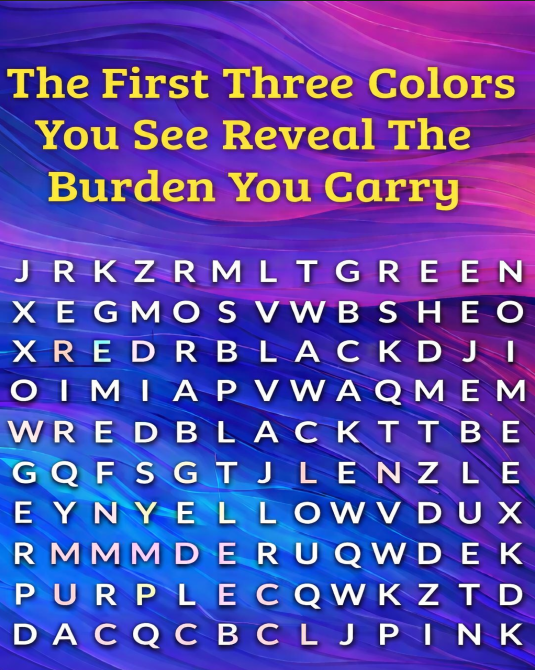
Colors are not only visual—they can also be connected to how we feel. The first colors that catch our attention may reflect aspects of our emotional state, offering gentle insight into feelings we may not immediately recognize. Many lighthearted personality quizzes and visual activities, often shared on platforms like Instagram or TikTok, invite people to name the first three colors they notice. The idea is that attention may naturally shift toward certain shades based on current thoughts or emotions, creating an opportunity for self-reflection.
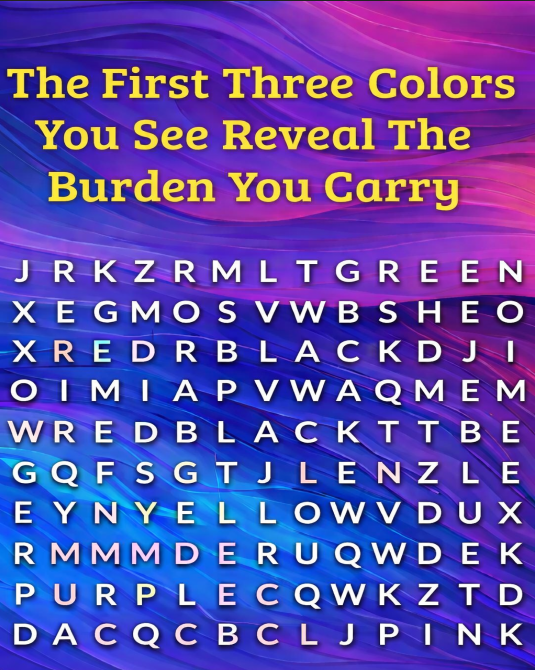
Each color is often associated with different symbolic meanings, though interpretations can vary across cultures. Red is commonly linked to energy or intensity, while blue may suggest calmness or thoughtfulness. Yellow is often connected with positivity or mental activity, green with growth or balance, and purple with depth or creativity. Black may represent strength or reflection, white simplicity or clarity, and gray neutrality or uncertainty.
Other colors can carry their own associations as well. Orange is often connected with enthusiasm and activity, while tones like brown or pink may represent comfort, warmth, or kindness. The purpose of focusing on these colors is not to provide any form of diagnosis, but to encourage awareness. By noticing what stands out, people may gain a better understanding of their mood or areas of life that deserve more attention. Many explore this idea through journaling, creative expression, or mindful reflection.
In this way, the activity becomes both engaging and meaningful. Observing which colors resonate most can help highlight patterns in thoughts and emotions, encouraging greater self-awareness. While not based on scientific measurement, it can still offer a simple and thoughtful way to check in with yourself and better understand your current state of mind.