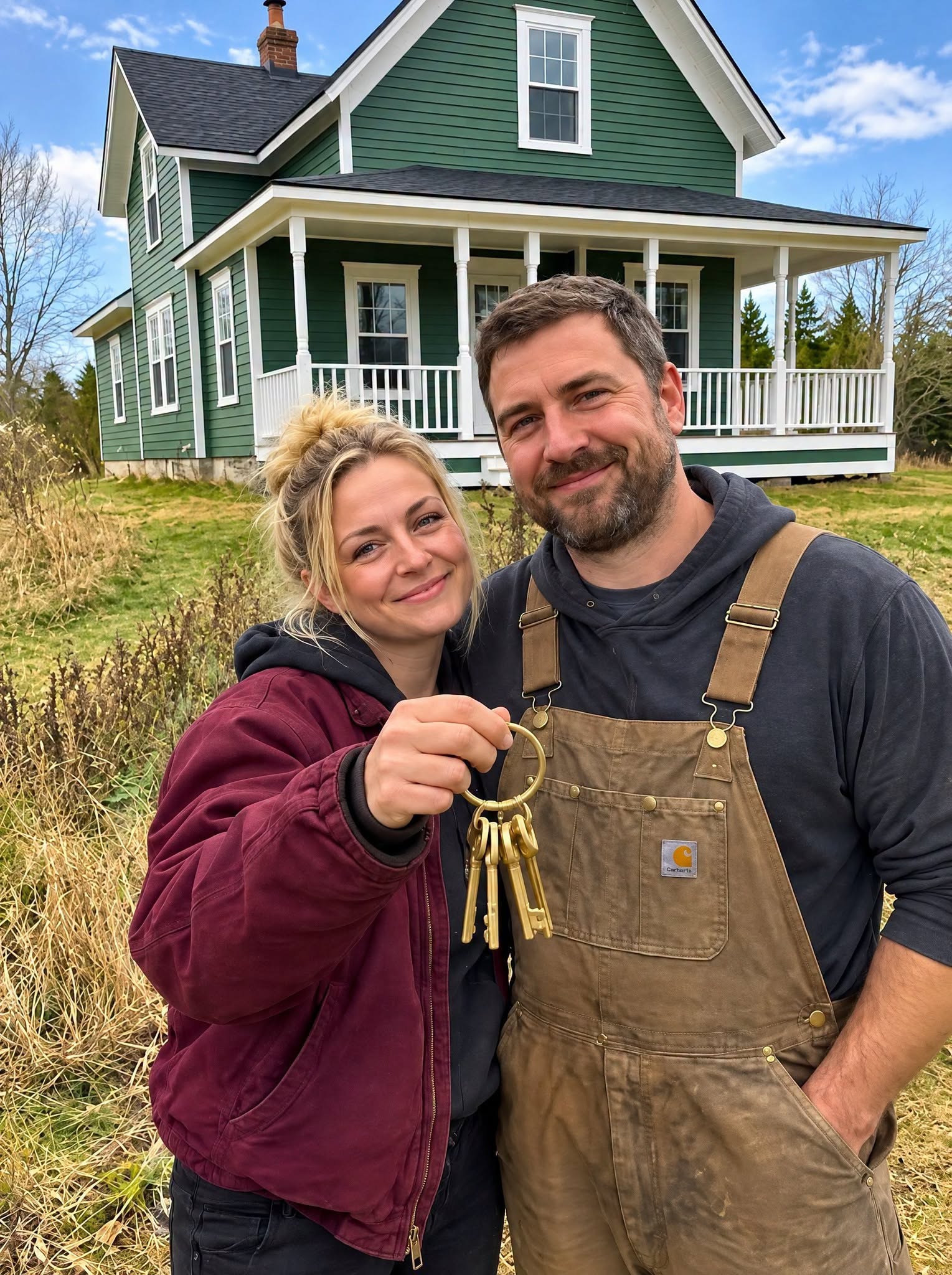
On Easter Sunday, Emily Schafer watched her in-laws give their children Kim, Jeff, and Stacy $20,000 each toward buying homes. But Emily and her husband, Nate, received only a greeting card praising their independence. Although happy for his siblings, Nate felt overlooked. With just $6,200 saved and $725 in monthly rent, the couple decided to pursue homeownership themselves.
For two years, Emily worked in hospital billing while waiting tables during evenings and weekends. Nate continued repairing diesel engines and accepted emergency farm repair jobs after hours. They reduced expenses, ate simple meals, and eventually sold Nate’s beloved bass boat for another $3,600.
They kept their plans private, never wanting their efforts mistaken for requests for financial assistance. Meanwhile, Kim and Jeff purchased homes, and Stacy saved her gift while completing nursing school. Emily and Nate celebrated their relatives’ achievements while continuing to work toward their own goal.
The following spring, Emily discovered a county auction listing for the abandoned Miller farmhouse, situated on 2.3 acres north of town. Vacant for six years because of unpaid taxes, the property needed significant repairs. Nate inspected its exterior, finding a solid limestone foundation and straight roofline despite the damaged porch and aging wiring. “It’s got good bones,” he told Emily. She then asked the question that could change everything: how much would it sell for?