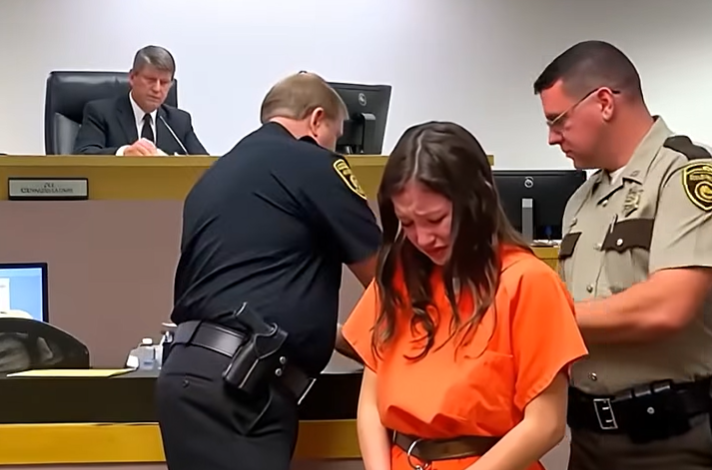
Elena spent decades imprisoned for a murder she maintained she never committed. Facing execution, she requested writing materials to explain her painful past to her estranged daughter.
Her daughter Lily, twenty-four, had grown up believing her mother abandoned her. Elena’s letter described a pressured confession, disputed testimony, missing evidence, and her difficult adoption decision.
Shocked by these revelations, Lily approached local police with the letter. An experienced investigator compared its details against archived records and discovered inconsistencies involving previously overlooked evidence.
The renewed investigation brought prosecutors, attorneys, and forensic specialists together. Modern testing and recovered documents challenged the original conviction, revealing serious questions about the earlier legal proceedings.
Hours before Elena’s scheduled execution, a court ordered an emergency delay. Although she was not immediately exonerated, authorities acknowledged that her conviction required further examination.
Elena and Lily eventually reunited privately, sharing memories and confronting their painful separation. Their emotional conversation offered an opportunity to rebuild a relationship interrupted by decades apart.
Months later, the court overturned Elena’s conviction after determining that critical evidence had been mishandled. Her experience subsequently inspired reforms addressing evidence preservation and legal case reviews.
Rather than allowing resentment to define her future, Elena advocated fairness and accountability. Her final letter ultimately became a powerful reminder that truth and hope can transform lives.