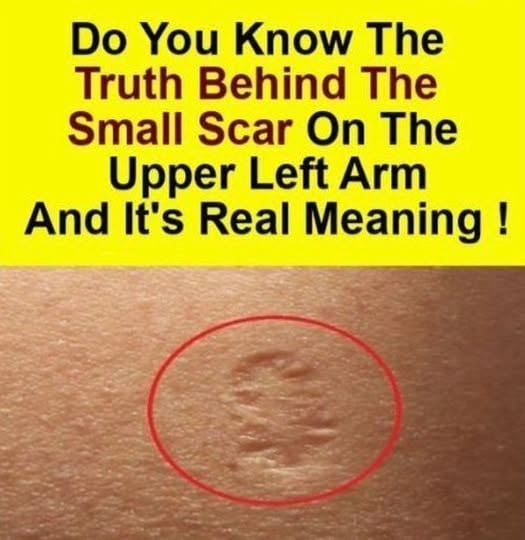
As a child, the author noticed a small circular mark on their mother’s arm and later saw a similar mark on another older individual. Curious about its origin, they learned that it was a scar left by the smallpox vaccine—a common mark among people who received this important immunization decades ago.
Smallpox was once a highly contagious disease that affected populations around the world. Caused by the variola virus, it led to serious illness and had a high mortality rate, while many survivors experienced lasting skin marks. For centuries, it posed a major public health challenge and shaped the development of early vaccination efforts.
The vaccine itself worked differently from most modern injections. It used a specialized needle to introduce a safer virus into the skin, triggering a controlled immune response. This process often caused a small blister at the site, which eventually healed and left behind the distinct circular scar many people recognize today.
Over time, widespread vaccination efforts led to a major public health milestone. Smallpox was officially declared eradicated in 1980, and routine vaccination programs were discontinued in many countries years earlier. Today, the scar serves as a lasting reminder of a significant achievement in global health and the impact of coordinated medical efforts.