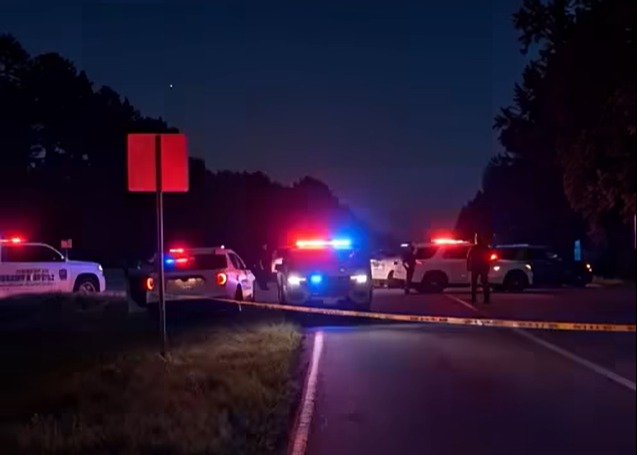
Police establish temporary restricted areas during emergencies to protect residents, pedestrians, drivers, and responders. These boundaries allow authorities to assess incidents and coordinate necessary operations.
Restricted zones may include streets, buildings, or public spaces. Their size depends on circumstances, location, and safety considerations determined by responding emergency personnel at the scene.
Road closures and transportation changes can disrupt daily routines. Drivers and pedestrians should follow signs, respect barriers, avoid blocked routes, and allow additional travel time.
Residents receiving official warnings should identify affected locations and follow specific instructions. Depending on circumstances, authorities may recommend remaining indoors, evacuating, or avoiding certain streets.
Approaching emergency scenes unnecessarily can obstruct sidewalks, interfere with traffic management, and complicate rescue operations. Maintaining distance allows authorized personnel to work without avoidable interruptions.
During emergencies, misleading photographs and unverified claims can spread quickly online. Residents should consult police, government, emergency management, and transportation announcements before sharing information publicly.
Families can prepare by keeping emergency contacts accessible, identifying alternative routes, and understanding local alert systems. These precautions also help during severe weather and transportation disruptions.
Ultimately, cooperation supports public safety. Remaining calm, respecting restrictions, and following verified instructions help emergency workers respond effectively until authorities confirm normal access can safely resume.