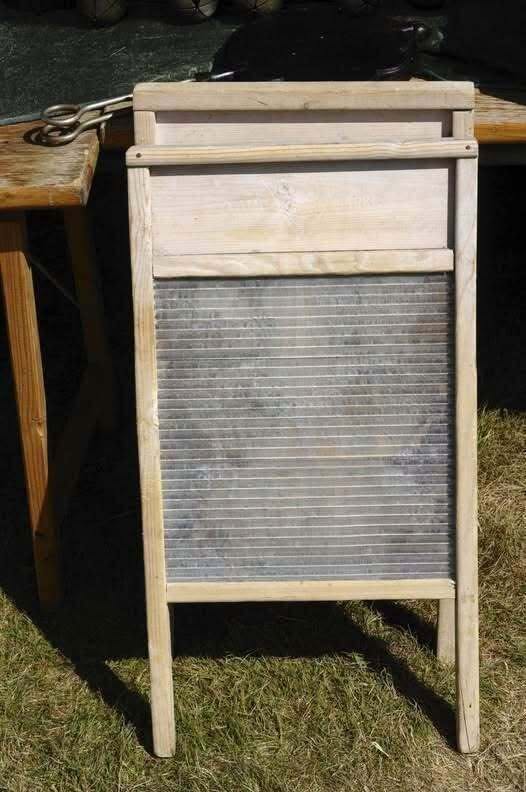
Among dusty picture frames, broken dishes, and forgotten tools at a yard sale, a rusty metal machine attracted curious glances. Few visitors recognized its once essential household purpose.
The unusual object was an antique laundry wringer, widely used before electric washers and dryers became common. It helped families manage one of the most physically demanding household responsibilities.
During the late nineteenth and early twentieth centuries, laundry required soaking, scrubbing, boiling, and repeated rinsing. Wet clothing then needed squeezing before being hung outdoors to dry.
The wringer simplified this process by passing clothing between two heavy rollers, removing excess water. Most featured metal frames, rotating rollers, and cranks operated entirely by hand.
Some models attached to wooden washing tubs, while others stood independently. Durable cast iron construction explains why many examples survived decades in barns, garages, basements, and storage spaces.
Despite their usefulness, wringers presented safety risks because fingers could become trapped between rollers. Families nevertheless relied on these machines to reduce exhausting manual work and save time.
As electricity spread, automatic washing machines gradually replaced traditional wringers. Today, collectors and history enthusiasts restore surviving examples, while some rural households still appreciate their practical functionality.
These forgotten appliances represent generations of domestic labor, family care, and durable craftsmanship. Their scratched surfaces and worn handles preserve memories of everyday life before modern household conveniences.