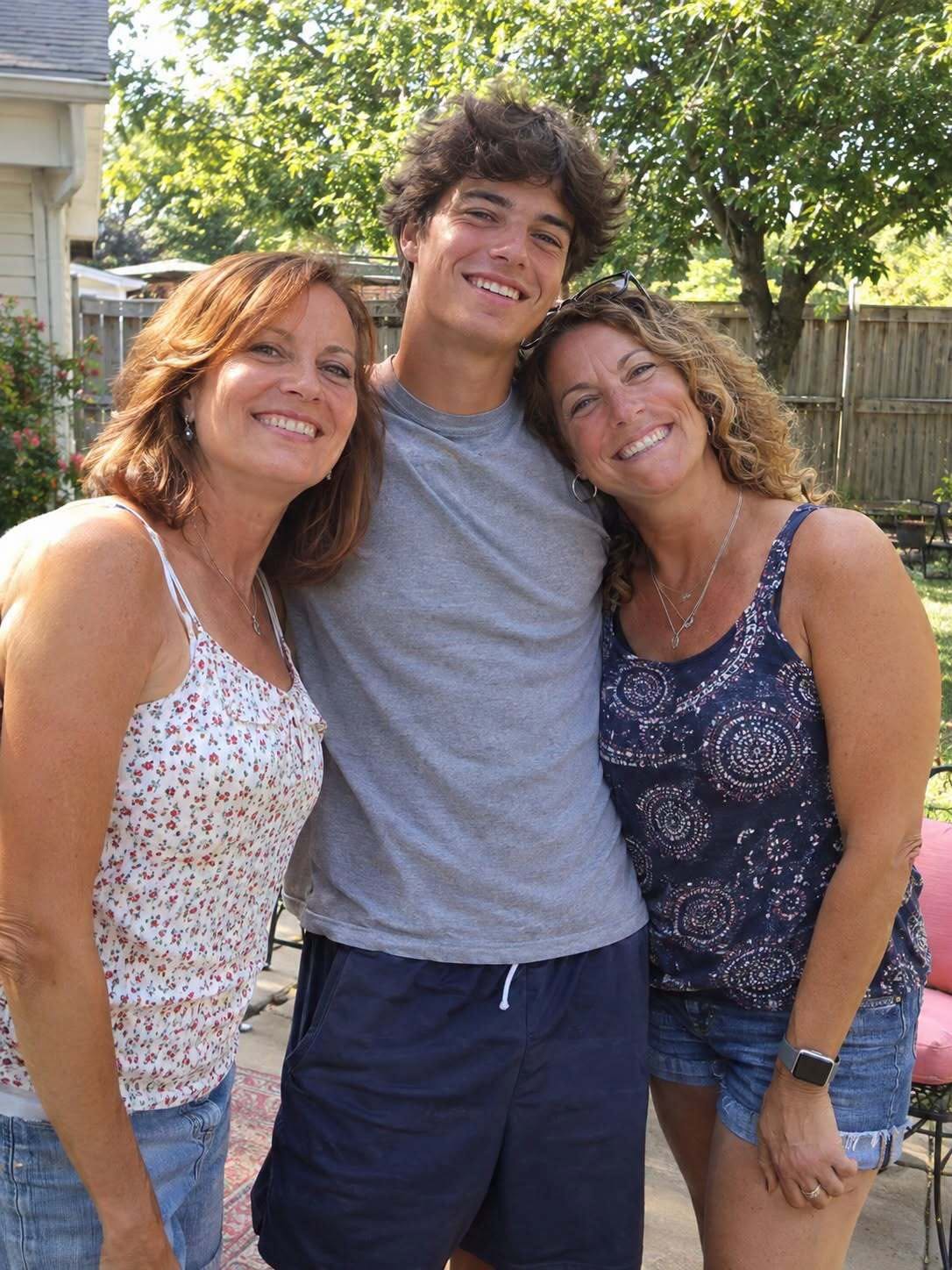
When we entered The Blue Spoon for Leo’s eighteenth birthday, three people greeted him warmly. My best friend Chloe looked uncomfortable, while I stood completely confused.
Waitress Marcy knew Leo’s favorite booth, meals, and even a broken table leg. Chloe had secretly brought him there monthly for ten years, supposedly for fries.
Leo has autism, and I often answered questions for him. At eight, he protested when I ordered his meal, saying he had wanted to speak for himself.
Chloe had taught the diner staff to wait for his answers, avoid unexpected touches, and minimize noise. Leo gradually became comfortable and helped with everyday restaurant tasks.
He organized sugar packets, cleaned ketchup bottles, and remembered regular customers. Then Marcy revealed his time card: a paid Saturday job lasting three hours, exactly as requested.
Watching Leo confidently take orders in his black apron brought me to tears. I finally understood that giving him three extra seconds could make an enormous difference.
Six weeks later, elderly customer Mr. Howard missed his regular visit. Leo insisted we check, and we discovered him injured at home after two days on the floor.
Leo’s attentiveness saved Mr. Howard’s life. That experience changed my understanding of parenting: sometimes love means stepping back, listening patiently, and allowing someone to demonstrate their abilities.