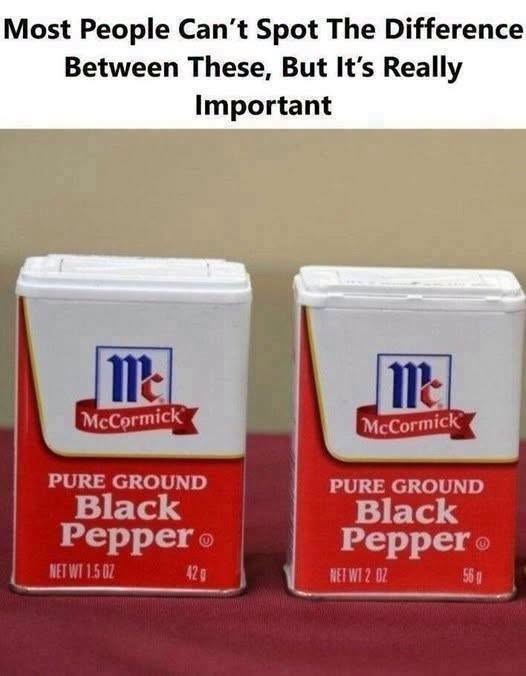
An ordinary grocery product became the center of a legal dispute between two major spice companies, raising important questions about packaging transparency, consumer expectations, and purchasing decisions.
Watkins Inc. accused McCormick & Co., a leading spice producer, of misleading customers through slack filling, a practice involving containers that appear unchanged despite holding less product.
According to Watkins, McCormick reduced black pepper contents by 25 percent, from eight ounces to six, while maintaining nearly identical traditional metal tins, potentially confusing longtime shoppers.
Because the tins were opaque, customers could not inspect their contents before purchasing. Watkins argued that its smaller packaging represented product quantities more accurately than McCormick’s familiar containers.
McCormick defended its approach, emphasizing that correct net weights appeared on front labels. The company maintained that shoppers received sufficient information to make informed decisions about their purchases.
Critics countered that accurate labels cannot always prevent misleading impressions. Familiar packaging may suggest unchanged quantities, particularly when consumers overlook smaller printed details or expect consistent value.
The controversy highlighted how packaging practices influence brand loyalty. Consumers expect fairness, honesty, and consistent quality, while perceived quantity reductions can damage reputations and weaken trust over time.
Ultimately, the dispute demonstrated why transparency matters in retail. Clear packaging helps customers understand purchases, while businesses risk losing valuable relationships when consumers believe they have been misled.