Optical illusions reveal how differently our brains interpret familiar images. An ordinary illustration may appear simple initially, yet closer examination can uncover surprising details concealed within its composition.
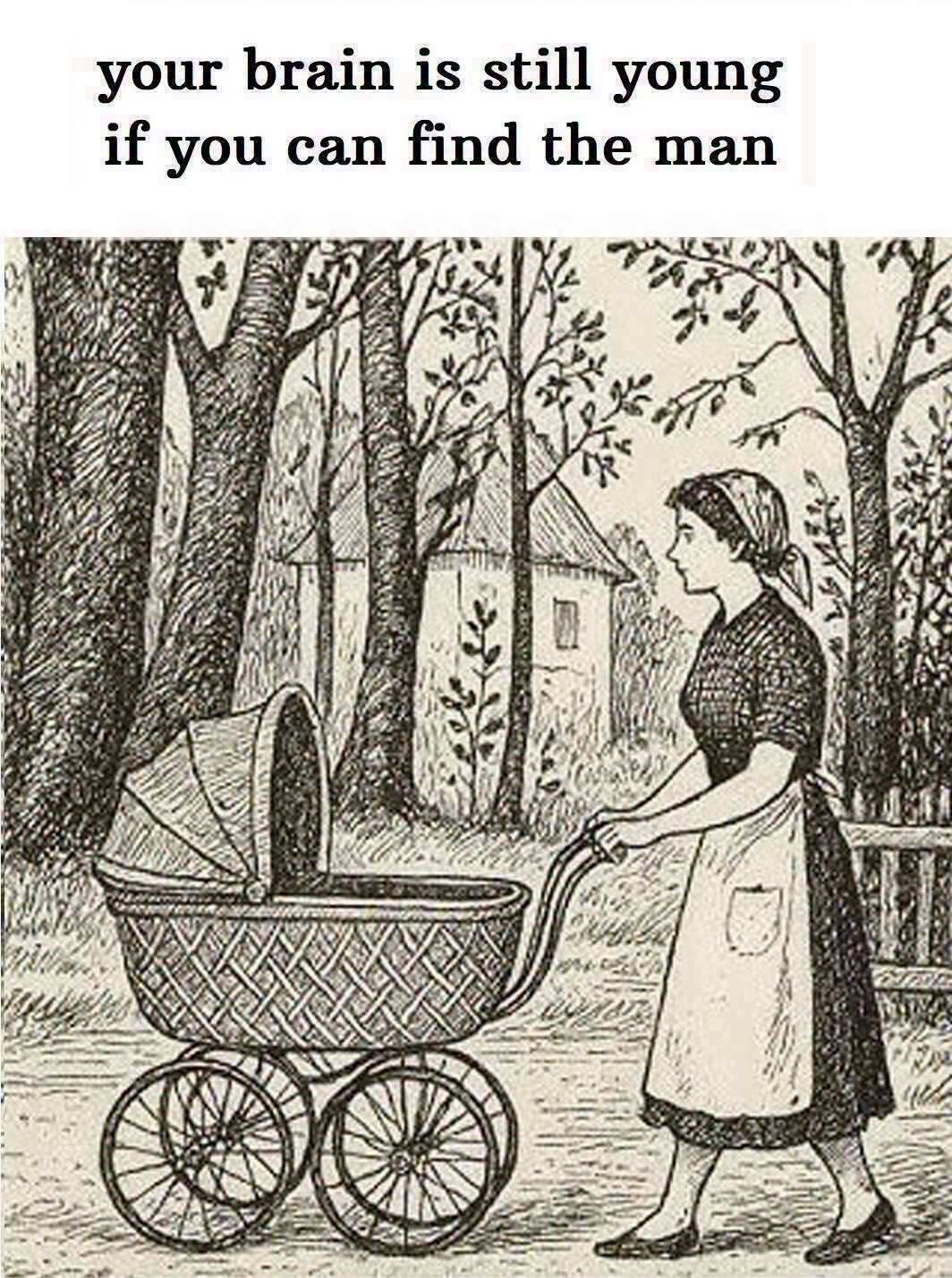
This vintage artwork depicts a peaceful country park. A woman pushes a baby stroller along a pathway surrounded by trees, creating an apparently ordinary and relaxing outdoor scene.
However, the illustration contains an unexpected visual surprise. Carefully arranged branches, shadows, and spaces between trees form the outline of a man’s face within the surrounding landscape.
The hidden facial features blend naturally into the scenery. Eyes, nose, and other recognizable shapes appear through ordinary background elements, making the concealed image difficult to notice immediately.
Some viewers recognize the face within seconds, while others require several minutes. This difference reflects how our brains organize visual information and prioritize familiar objects when observing pictures.
The woman, stroller, and pathway naturally attract attention first. Consequently, viewers may overlook unusual background patterns. Examining individual sections of the illustration can reveal previously unnoticed shapes.
Looking away briefly or increasing your viewing distance may also help. Instead of concentrating on obvious objects, examine tree branches, shadows, and empty spaces for unexpected facial outlines.
There is no need to rush this entertaining observation challenge. Once the concealed face becomes visible, the familiar park scene transforms into a fascinating demonstration of human perception.