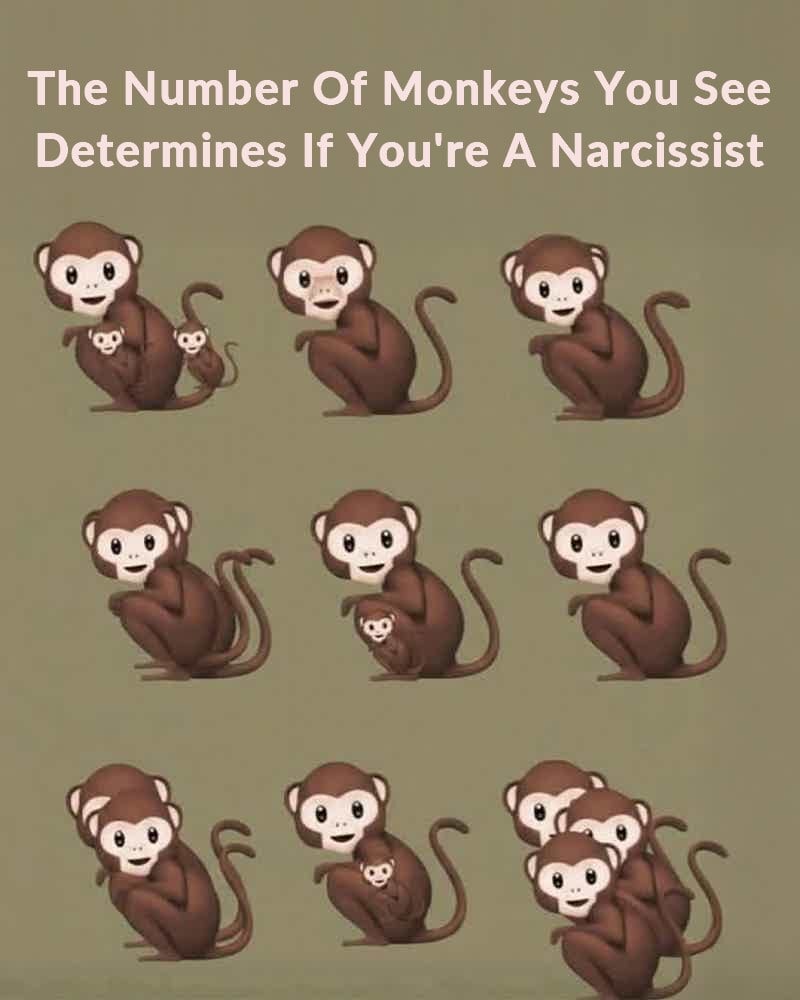
What this kind of image often highlights is not a fixed personality trait, but how naturally people look for simple explanations about themselves. A playful visual becomes a kind of mirror—not because it delivers clear insight, but because people are drawn to interpret it that way. The idea that a quick glance, a number, or a label could define who we are is appealing. This desire for immediate clarity is part of what makes these widely shared puzzles so engaging—they suggest meaning without requiring much effort.
At the same time, there is some truth beneath the surface. Individuals do experience and interpret the world differently. What a person notices first, what they overlook, and how they make sense of what they see are influenced by their experiences, habits, and focus. These differences do not point to fixed traits or conclusions, but instead reflect the natural variation in human perception.
This is why such images can feel personal. They do not provide scientific insight into identity, but they can highlight how the mind organizes information in a specific moment. Rather than defining someone, they show how quickly impressions are formed and how those impressions can change when viewed from another perspective.
The real value lies not in the conclusion the image suggests, but in the pause it encourages. It creates an opportunity to reconsider initial reactions and recognize that there is often more than one way to interpret what we see. Instead of offering a definition, this reflection highlights something more meaningful: perspective is flexible, layered, and always developing.