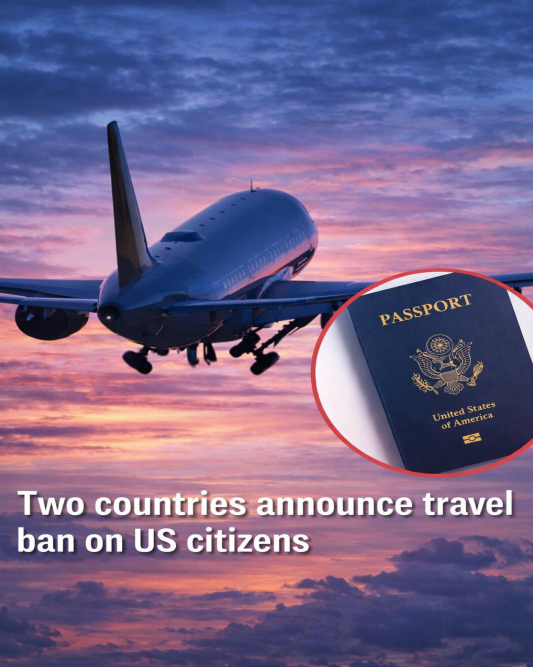
Recent decisions by governments in parts of West Africa to adjust entry policies for American citizens reflect broader shifts in international relations. These actions highlight growing discussions around balance and reciprocity, as some countries emphasize the importance of equal treatment in travel and visa policies. Rather than framing the situation as conflict, officials often present these measures as efforts to align policies with their own national priorities.
While official statements focus on visas, border control, and policy alignment, the practical effects extend beyond government decisions. Travel adjustments can affect families, educational exchanges, and humanitarian programs, sometimes creating delays or changes that impact individuals and communities. These outcomes often influence people who are not directly involved in policymaking but are affected by the results.
From the perspective of Washington D.C., updated travel rules are generally described as administrative measures related to security and regulatory standards. Meanwhile, leaders in countries such as Mali and Burkina Faso have presented their decisions as responses aimed at ensuring fairness in international travel policies. Similar steps have also been associated with Niger and Chad.
These developments point to an evolving approach in diplomatic relations, particularly across the Sahel region. As different perspectives continue to shape policy decisions, the situation highlights the importance of dialogue and cooperation in maintaining stable international travel systems.