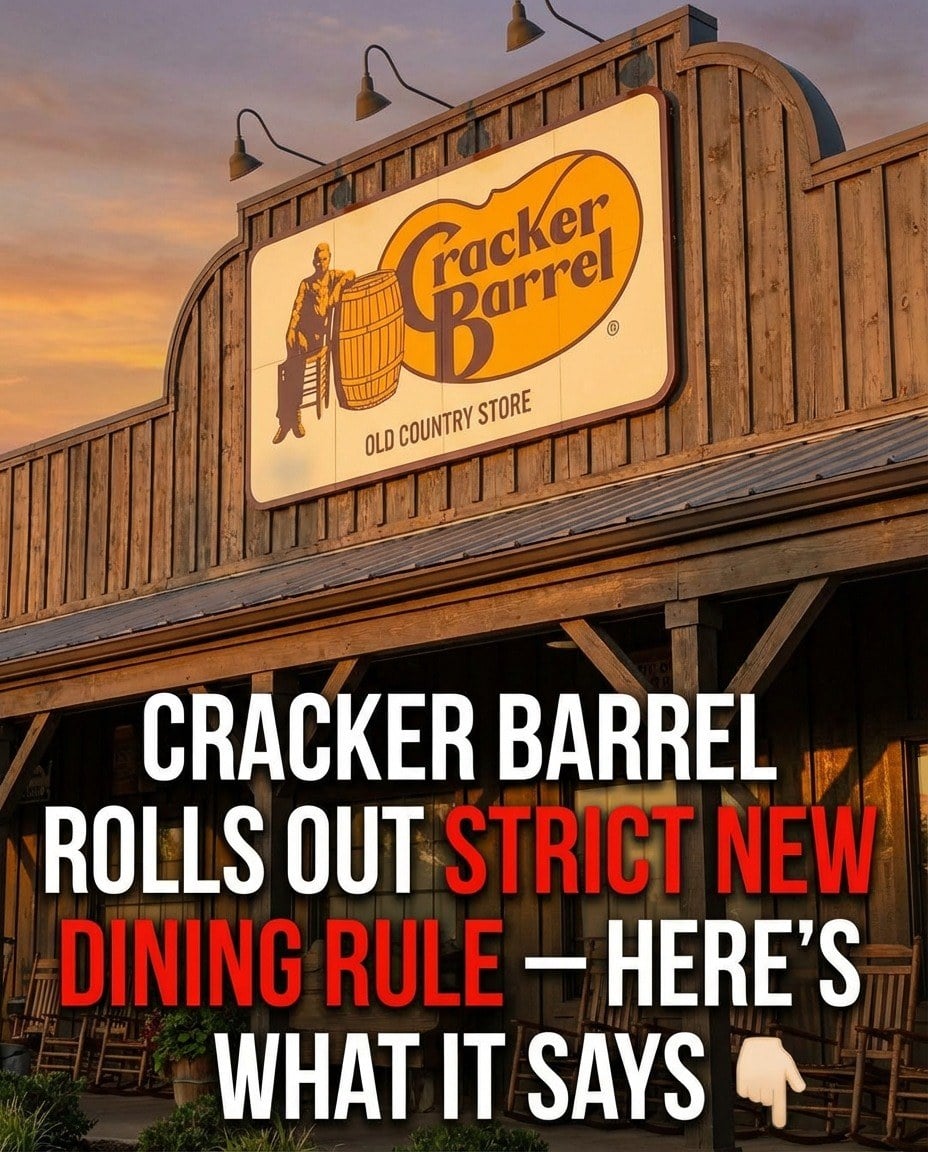
For decades, Cracker Barrel has represented a distinct sense of comfort built on familiarity, nostalgia, and a more traditional pace of life. From its signature rocking chairs to its country-store style interiors, the brand created a strong emotional connection with guests who viewed it as more than just a dining location. As updates to its logo and restaurant design began to appear, even subtle adjustments stood out to customers who associated the brand with consistency and tradition.
The company’s move toward modernization was not intended to replace its identity, but rather to adapt to evolving customer preferences and a changing dining environment. Like many long-established brands, it faced the challenge of appealing to new generations while maintaining its core values. Customer feedback highlighted how deeply connected people felt to the brand, showing that even small design changes could carry significant emotional weight and required thoughtful implementation.
In response, the company reintroduced some of the familiar design features that customers appreciated, while continuing to improve operational aspects behind the scenes. At the same time, internal updates related to employee travel guidance brought attention to workplace practices. By refining communication and increasing transparency, the company demonstrated a commitment to listening, improving, and evolving across both customer-facing and internal areas.
This situation reflects a broader challenge for legacy brands. Growth and innovation are important, but they must be balanced carefully when a brand’s identity is closely tied to personal experiences and long-standing traditions. The company’s approach illustrates that progress does not have to come at the expense of heritage, showing how past and future can work together in a thoughtful and sustainable way.