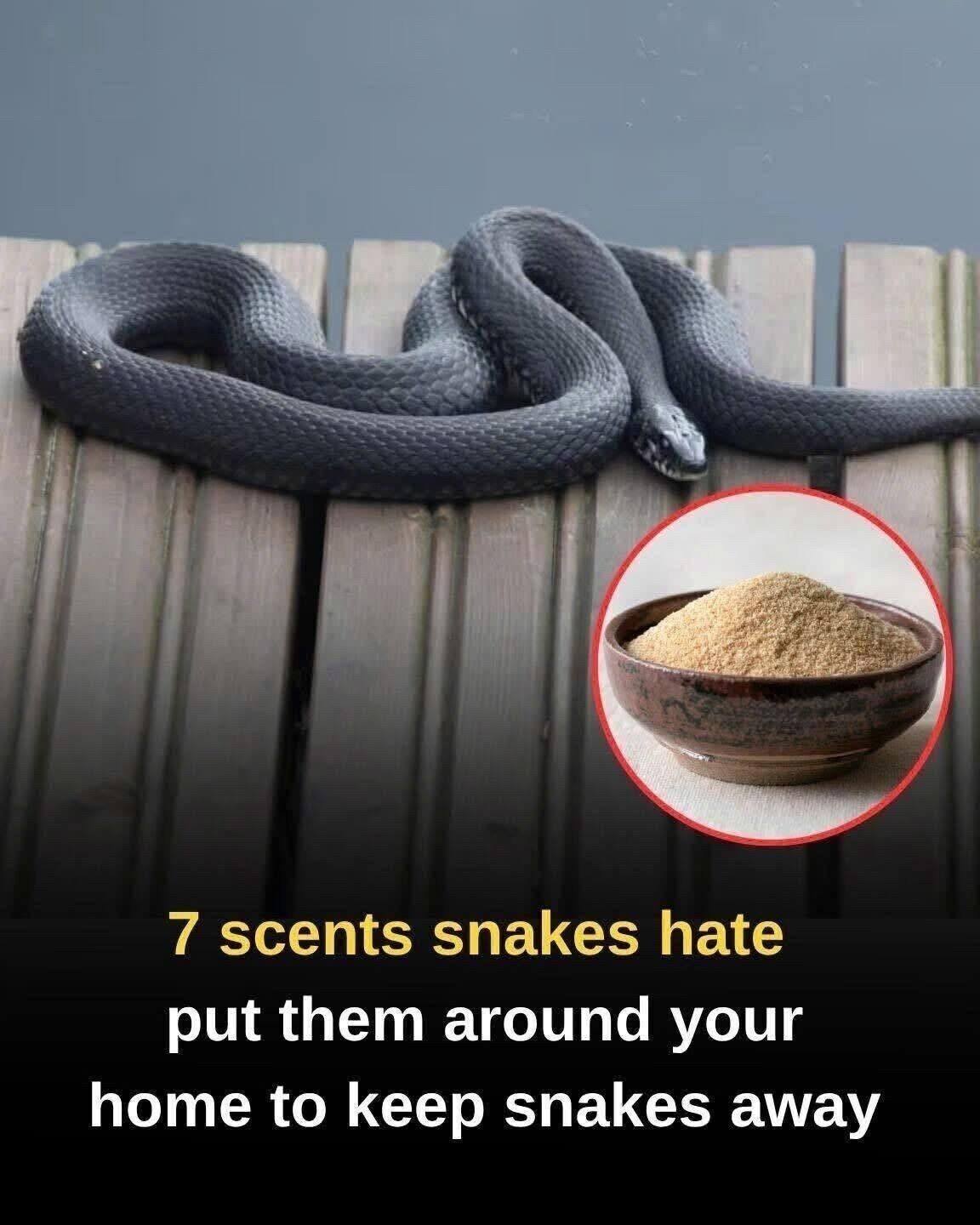
Snakes often inspire both curiosity and caution, especially when they appear near homes. While they play an important role in controlling pests like rodents and insects, many people prefer to keep them away from living spaces. Because snakes rely heavily on their sense of smell through a specialized sensory system, scent-based deterrents are sometimes considered as a natural way to discourage them without causing harm.
One commonly discussed option is ammonia, which has a strong odor that can make certain areas less appealing to snakes. It is sometimes used outdoors near sheds, crawl spaces, or entry points. However, it tends to evaporate quickly and may require frequent reapplication. Care should be taken when using it, especially around people and pets, to ensure safe handling and placement.
Essential oils such as cinnamon and clove are also frequently mentioned as natural alternatives. These oils contain concentrated scents that may help make specific areas less attractive to snakes when properly diluted and applied around yard boundaries, foundations, or walkways. Environmental factors like rain or wind can reduce their effectiveness, so periodic reapplication may be necessary. Other natural options include garlic, onions, vinegar, and citrus-based scents.
These approaches can help make an environment less inviting when used alongside general outdoor maintenance. Keeping spaces tidy, sealing small gaps, and reducing clutter can limit potential hiding spots. When combined with these preventive steps, scent-based methods may contribute to reducing the likelihood of snake encounters while maintaining a balanced and respectful approach to the surrounding environment.