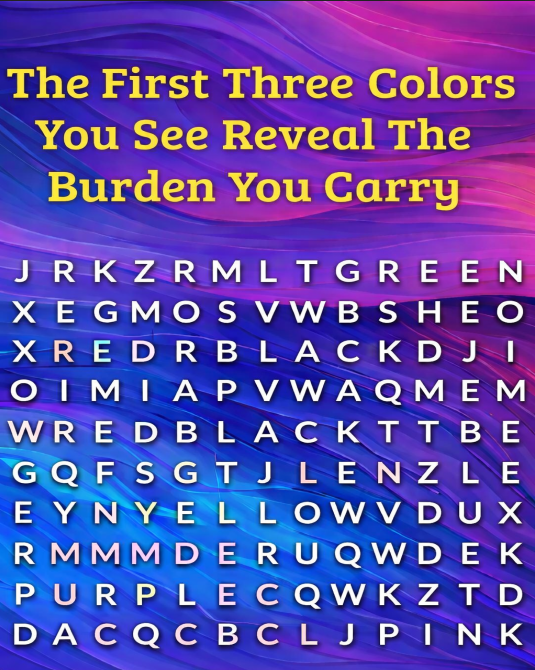
Colors are not only seen—they are experienced on an emotional level. The first colors that catch your attention can offer subtle clues about your current state of mind, helping you recognize feelings you may not have fully processed. Many interactive activities and personality quizzes shared on platforms like Instagram or TikTok invite people to identify the first three colors they notice. This idea suggests that your subconscious may be drawn to certain shades based on underlying emotions, reflecting stress levels, mood, or aspects of your personality.
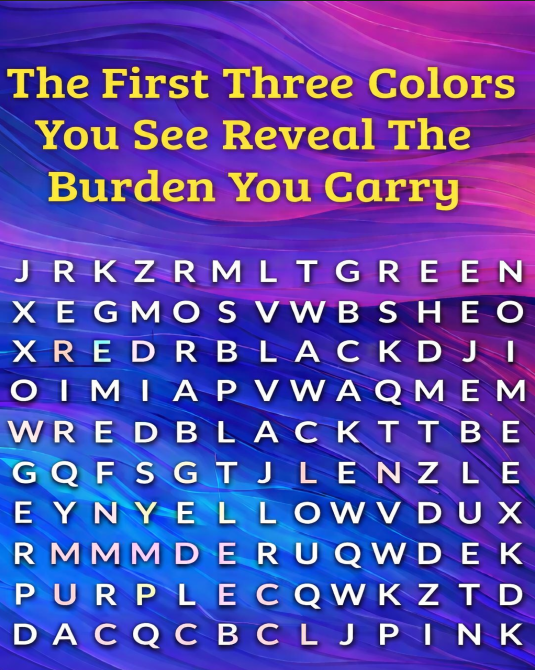
Each color is often associated with symbolic meanings, though interpretations can differ across cultures and perspectives. Red is commonly linked to passion, intensity, or strong emotions, while blue is associated with calmness, reflection, or responsibility. Yellow may represent happiness or mental pressure, green is often connected to growth or balance, and purple can suggest depth of feeling or introspection. Black is sometimes tied to protection or heaviness, white to clarity or high standards, and gray to uncertainty or mental fatigue.
Other colors also carry meaning in this context. Orange is frequently connected to energy or heightened stimulation, while shades like brown or pink may symbolize stability, comfort, or warmth. The purpose of observing these color preferences is not to provide a medical or professional evaluation, but to encourage thoughtful self-reflection. By noticing what naturally draws your attention, you may gain a better understanding of your emotional patterns and areas that could benefit from care or awareness.
Overall, this type of exercise blends creativity with mindfulness. Paying attention to colors that stand out to you can support self-awareness, reveal emotional tendencies, and offer a gentle way to check in with your thoughts and feelings. While it is not a scientific method, it can still inspire meaningful reflection and personal insight in a simple and engaging way.